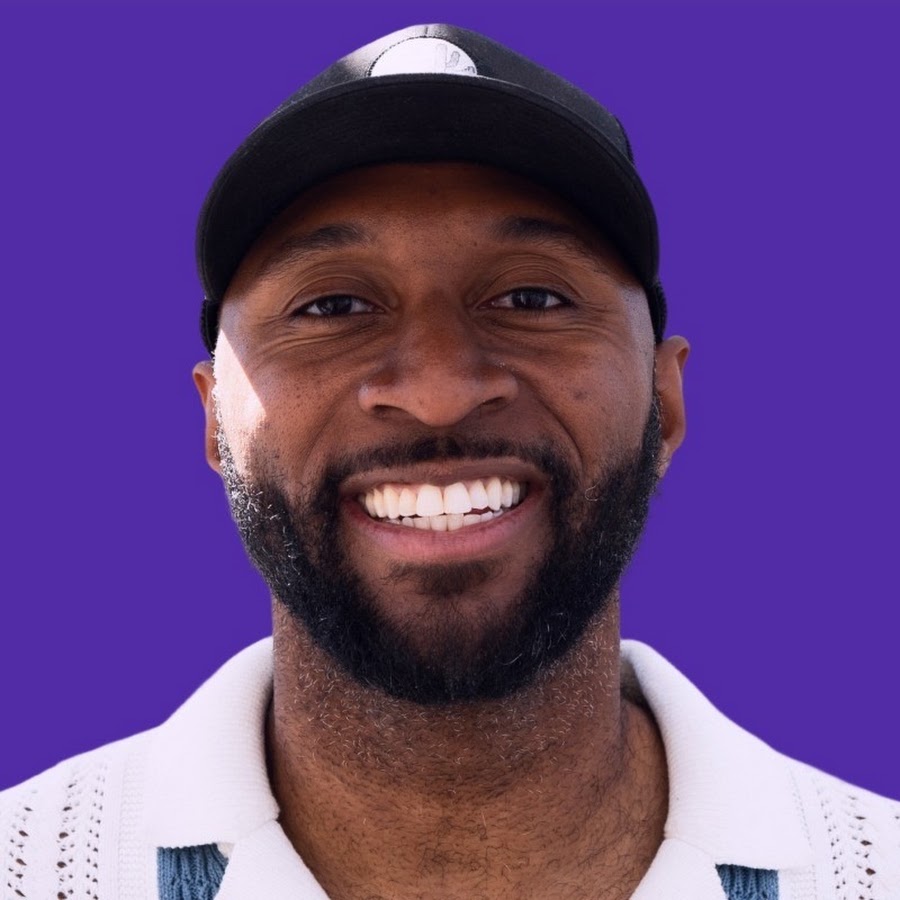
Mandy Hornaday: Hey, everyone. Welcome back to Growth Activated. I'm your host, Mandy Hornaday, and today's guest is someone I've been genuinely excited to bring on the show for a few weeks now. We're diving into all things LinkedIn strategy, personal brand, and social selling with Morgan Ingram, the founder of AMP Creative, where he helps go-to-market teams modernize how they show up, build pipeline, and drive results in a digital first world. Morgan's worked with top teams at Salesforce, Slack, Google, and he's built a powerful personal brand from his early SDR Chronicles days. And he now helps marketing and sales leaders create social strategies that actually move the needle. In this episode, we cover what's working on LinkedIn right now, why alignment across marketing, sales, and even customer success is key, and how to approach content, connection, and conversations the right way. Quick heads up before we dive in, there are a few brief audio glitches in the recording, nothing major and absolutely worth pushing through. This was such a fun and actionable conversation. I know you're going to get a ton of value out of it. Let's dive in.
Mandy Hornaday: Hey Morgan. I could not be more excited to talk to you. I think one, for selfish reasons, as I'm growing Growth Activated and my personal LinkedIn brand, I can't wait to learn from you. But two, certainly LinkedIn is a huge marketing channel for B2B marketers and the algorithm keeps changing. LinkedIn seems like it's totally different today than it was five years ago. And I can't wait to hear about what you have to say about it.
Morgan Ingram: A lot has changed. A lot has changed.
Mandy Hornaday: So before we dive into that, would you share a little bit about your background and what brought you to where you are in your career today?
Morgan Ingram: Yeah. So I started off as a sales development rep. So if you don't know what that is, someone that does cold calling, cold emailing, social selling, things across the board. When I first started, I was terrible and I didn't know what I was doing. And the fun fact for probably most people here, you might experience this, I actually didn't want to go into sales. I wanted to get into marketing and I got denied like 20 times. I was like, all right, well, I guess they don't want me. So I went into sales, but the thing is I wanted to be in marketing so bad that the company I worked at was Terminus, which was an account-based marketing software platform. And the only reason I worked there is because I was going to speak to marketers, because I was like, I want to be in marketing. That's the only reason I took that job. And ironically enough, I never went into marketing, I guess. Different type of marketing I did.
Morgan Ingram: But yeah, so that's how it started out. And then about four months into the role, I started something called the SDR Chronicles. That was a YouTube channel that documented my journey as an SDR, show people what to do, show how I went about it, the whole entire thing. So that was a really exciting time and that was really cool. And then that really catapulted my personal brand early 2016, 2017 on LinkedIn and YouTube. And I was an SDR manager, had like 13, 14 reps before I left. I was at JB Sales as a trainer for three and a half, four years. And then after that I went off on my own and I'm running my own social selling company now. And I've been doing that for two years now.
Mandy Hornaday: Wow. How did you know to start a YouTube channel way back then and just start the Chronicles? I feel like that wasn't a thing.
Morgan Ingram: It wasn't a thing. I'm just crazy. I think that's the thing is I'm just like, all right, I'm just going to do it. I feel like with most things in life, there isn't much to lose as long as you're not doing anything dangerous. There's not really much to lose. But the real answer is there were actually three things that happened. So one is before LinkedIn, before I did YouTube in 2016, I was already creating content way before that. I started creating content in 2014, 2015 on Facebook. So I was just putting out like motivational videos in my car and they're terrible. If you want to go watch them and laugh, those are funny. And then I found something called Periscope. I don't know if you remember that. So I did like three lives a day and that's what really got me started. And then my first talk that I ever did was through Periscope because they invited me out to come speak and then everything unfolded from there.
Morgan Ingram: So I had experience in social media. I just didn't have like the message yet. And then when I landed on the scene with the SDR piece, plus I had already been creating content, it kind of worked out that way. And that was number one. Number two is I read an article by Ralph Barsi, who at the time was the VP of sales development at a company called ServiceNow, in the tech space. If you're in the tech space, you know what that company is. And he wrote an article saying that if you were an SDR, you should create content. And at the time there was no rep creating content, so I decided to just be like, oh, okay, cool, I'll do that. And then the third thing was I got a chance to meet Gary Vee four months into my role, and his whole thing was a salesperson should go create content, and his thing was like, only one of you is actually gonna do this right. And so then I just told him I'm gonna be the person, and then he told me what to do, and then that night I created the YouTube channel. Like, I just went home after the event. And we had a thing as a team and I was like, I gotta go home. I was like, I gotta get to work. I'm too excited. So yeah, I ended up creating that YouTube channel and then everything went crazy from there.
Mandy Hornaday: Wow. What an inspiring story. That's amazing. Okay. So, and today, obviously you have a huge personal brand on LinkedIn. So you were very forward thinking in terms of the platform and what was possible with it. When we think about today and sort of current state, I would venture to guess most B2B marketing leaders, most B2B sales leaders understand how important LinkedIn is. But from your perspective and what you're seeing, where does the opportunity lie just with everybody producing more, getting more involved? Where's the white space in today's marketplace?
Morgan Ingram: It's hard and it's going to get harder. I think the main reason for that is AI. I think it's moving faster than I think everyone thought it would. And I think that causes hesitation, confusion, frustration. I know a lot of people sometimes, just to be direct, they don't get on LinkedIn anymore because they're like, there's too much AI slop, is what they like to call it, right? In their feed, in their inbox. So I'm saying all this because these are things that we know are true before I tell you things are great and amazing. I think it's important to paint a realistic picture of what is going on. I'm not a fan of just saying, oh yeah, everything's fine, this is what you do. It's like, no, things are hard, for sure, because AI just makes it harder. But at the same time, there are still ways to stand out.
Morgan Ingram: I think the white space right now is it's a combination game rather than an either or game. So what I mean by that is that the orgs that do well are, do we have really good content and marketing happening on LinkedIn where our buyers live? And also, is our team orchestrating outbound efforts at the same time? And if you're doing both of those, the likelihood of success is higher, because for most organizations it's either the sales team's doing a lot of stuff on LinkedIn and then marketing's just telling them to post random content that doesn't matter. Or marketing is doing a really good job on LinkedIn and the sales team doesn't even know how to use Sales Navigator. They barely know how to log in. And then there's also teams that don't do anything. And there's companies that don't have to use LinkedIn to be successful. I'm not saying you need to. I'm just saying it's hard to ignore it at this point because of other factors, like email is a lot more difficult. From a marketing perspective and from a sales perspective, Yahoo and Google are making it harder. And then with the new Apple rollout with cold calling, that is only going to get more difficult. Like, I think this is just the beginning of it, to be honest. I think they're going to make it harder. And I'm not wishing that on anybody, but I'm just looking at what's going on. Now that you have that, how can you show up and be more social on LinkedIn to build those relationships to then migrate them to in-person?
Morgan Ingram: So I have this saying, like going from URL to IRL. That's the whole entire thing that I think about. And that's what a lot of brands need to start thinking about as well. And that's the white space, is how do we build a really strong brand? Okay, so marketing, how do we build a good strong brand on LinkedIn so people know who we are? Based on that happening, then the sales team will come in and maximize and build digital relationships. And now that both those teams are doing it, both those teams will now migrate these people to in-person, which then leads to trust, so people buy. That's like the whole entire formula I'm seeing that's going to happen.
Mandy Hornaday: Yeah. Well, and I love that you talk about the intersection of marketing and sales. Cause one of the things I see in most of my clients today is there's not really a cohesive channel strategy. No one is thinking about LinkedIn overall. From my perspective, I actually just had someone on my team this week present the LinkedIn strategy and it was just marketing. It's like, but how does this intersect with sales? What are we asking sales to do and how do these activities sort of come together? I mean, are you seeing that too, a miss from a go-to-market perspective?
Morgan Ingram: Massive miss. And also as well, people sleep on this function, customer success. I think customer success is actually the most important part of LinkedIn.
Mandy Hornaday: Interesting.
Morgan Ingram: And they may not use it as much because they think LinkedIn is a marketing channel, or influencers are on there, or it's only sales. And then obviously people use the tool called Sales Navigator. And so if you're in customer success, you're like, what's called Sales Navigator? And then I'm like, well, the second part of that is Navigator. You're navigating your accounts. Like, forget the sales part. It's a Navigator, right? And customer success would do a really good job of that. So what I would say is it's an orchestration of sales, marketing, and customer success. Now that takes time to do and everyone has to be aligned and bought in. I could see why that's difficult depending on what people's perspective is, but that is the way you have to think about it, is that LinkedIn could be that channel. It can book you new meetings, it can create awareness in the market, and also you can deepen relationships. There's no other platform that can do that.
Mandy Hornaday: Yeah. Who, not to get tactical here, but who do you think should own that in the go-to-market organization?
Morgan Ingram: That entire thing I just named you?
Mandy Hornaday: Yeah, who should lead it? Because I feel like it's just everyone's thinking about it in silos right now.
Morgan Ingram: Yeah. So I think ultimately today, all those things, well, let's just mention marketing and sales, because for customer success, the customer success leader should just own that. Right? Let's just say that that's your ownership of that. But let's go to marketing and sales. I think it's whoever is in charge of demand. Because they would have that connection piece between marketing and sales. Normally, that's what that role does. So the demand leader is like, hey, I'm taking ownership of LinkedIn, but I'm going to find my owner in marketing and my owner in sales to really drive adoption to the team to do both. Because if you can do both, you can do a lot of stuff. But you have to be able to get the demand person, I believe, to own the LinkedIn strategy and be like, this is a marketing and sales thing. It's not just a marketing thing or a sales thing. That's the miss.
Mandy Hornaday: Yeah, totally. Interesting. So I'd love to change into what is actually working. What do you advise teams to do? And we can hit it from the sales angle. I think just off of that, you know, a lot of us within marketing are the demand leaders that you're talking about. So this is really relevant for us. And yet we're not thinking about the sales side of the equation a lot, from what I see. So I'd love to see, what are some of the key areas or focus areas when you walk into a new client and you've got a sales team that you're trying to get to adopt LinkedIn? How do they approach it? How do they win?
Morgan Ingram: Yeah, so I think the biggest thing before I go into the framework that we tell people, and also the tactics, is understanding that the region or the place or the personas that you're in are going to predicate and dictate the way you approach LinkedIn. If you're selling to a marketing sales persona, that's way different than selling to a CFO or an IT director. Or even if you're in Germany or France or Japan, the level of LinkedIn you would use would be different. So I'm just giving that context. If someone's listening internationally and they're like, we don't do it this way, it's like, yeah, I know that. I get it. But I'm also saying that there are fundamental things no matter where you're at that apply. So after doing this myself as an SDR, doing it as a manager, training all the tech companies on this from Salesforce, Google, Slack, Zoom, you name it, I just saw these were the consistencies, that when somebody followed these steps, they did well. So it's the five C's is what we call it at AMP, the 5 C social selling strategy. So it's clarity, connection, conversation, comment, and content. And you'll notice that the first three C's are sales and the last two C's are marketing. So they play together. I started out in sales, I'm low key a marketer at the same time. But I've combined them. It's not like, oh, here are the three C's and you don't need the two C's. No, if you really want this to work, you have to do all five.
Morgan Ingram: The three things tactically that I tell people to do immediately is clarity is first, because if we don't know who we're talking to or who we're reaching out to, I can tell you to write the most perfect message and then do the most perfect video, but if it's the wrong person, we just wasted time. So I tell people to get clarity on their true ICP, which is not like, I'm going after the CFO. It's like, no, we go after CFOs in mid market, 500 to a thousand employees. They typically are in these regions. And you need to get very true on that, because the good thing about LinkedIn is that you can actually build quality pipeline, because I can go find the CFO at this thing based on X if you've invested into Sales Navigator. And if you haven't, you can still do it on regular LinkedIn, it's just going to take you longer. But Sales Nav allows you to get that clarity, which is why we have that as part of our program. Like, we're going to walk you through Sales Nav. We're going to build your list. We're going to build the saved searches so you know exactly who you're talking to. Because if you don't have the clarity, it doesn't work. That's the first thing I work on, is what is the clarity?
Morgan Ingram: Then once we have clarity, now we need to figure out what's our strategy to connect and have conversations. So I basically walk people through, what are we sending today? And if you're sending messages that are very, I don't know how to put this, pitch slapping, AI slop, annoying, right? Or it looks like you literally are in the 1500s, the way that some people write. They're like, dear so and so. It's like, nobody talks like that. It's just weird. Where'd y'all learn this from? Anyways, they didn't learn it from me. But what I would tell you is that's what everyone's doing. So what we recommend is saying you have three ways to reach out to someone on LinkedIn. There's only three ways. A video, a voice note, or a written message. But then there's three ways to get someone to take action off that message. So there's, I'm asking you to go to some type of event, virtual event, et cetera. So this is where sales and marketing play together, right? Cause a lot of people, especially in the financial space, you might not ask for a meeting. They want to learn, they want to be educated. So you might tell them to go to an event. You might tell them to go download an ebook or something. So again, the nuance is different. But if I was talking to sales, which is number two, I'm going to go for the meeting. They want to see that you have salesmanship, which is why I like selling to salespeople sometimes. As long as you know what you're doing, they're gonna respect it. But if you were to do that to an IT professional, they're like, I don't care. I don't care about your salesmanship.
Mandy Hornaday: Neither do I.
Morgan Ingram: See, see, I was just saying. But sales leaders love it. You might be like, I don't care. So you have to understand your buyer persona. So number two is just being more direct. This is my preferred method. If I'm gonna message somebody, I don't know how you feel, I'm just gonna tell you what I'm reaching out for. I don't like coming in and asking you, hey, I see you're in Arizona, have you been to the Global Ambassador yet? I just don't like starting conversations that way unless I am not trying to sell you something. But if I am...
Mandy Hornaday: Switch, like the bait and switch.
Morgan Ingram: Yeah, yeah, I don't like it. I'm just like, hey, this is why I'm reaching out. And the thing is, it's not, I'm reaching out because I want to book a meeting. I'm reaching out because I made an observation. So one thing that we train every single salesperson on is, are you making an observation? And an observation would be like, you're hiring 10 sales reps. That's an insight. Or you have a product update. Or you're expanding your offices, for example. That's an observation. But the problem with most observations, and why the direct message doesn't work for most people, is because they don't have context on why they made that observation. So they'll be like, hey, saw you're hiring 10 sales reps, so we have this product. And it's like, wait, whoa, you've got to add context on why that's important. So what we coach people on is saying, you made this observation, you saw they're hiring 10 sales reps. Why does that actually matter? So we'll say, hey, saw you hired these 10 sales reps. Typically when we see that, that means that your pipeline number is about to increase. Normally that's what it means. It could be wrong, but high chance, from what I've seen personally, that's what happens. So now that we've set that up, they're like, okay, there's a reason why they picked this thing. And then we state the problem. So it'd be like, hey, not sure if you're finding an obstacle as you bring in these new people to build pipeline. And we always say "not sure," from a psychological standpoint, because it creates a frictionless piece. It also makes you feel like you might be missing out at the same time. So there's two things at play. But I don't want to say, hey, I 100% think that you're missing your number. Well, I don't know. I haven't hopped on a call with you yet. And then that's when we say what the value prop is and the call to action. So being direct is that one, with video, voice note, whatever it is. And then the third one is the one I mentioned that you have to be careful with, which is being casual. So there is a time and place where you can be casual in the messages, right? If you're going to an event to meet somebody or things of that nature, or you just want to try a different opener, and maybe they posted about playing pickleball or something, right? And you can vibe with them on that. I think there's a time and place for it, but you have to have a really good nuance to turn that into a meeting. That's why I'd just rather go with number two and be direct.
Mandy Hornaday: How do you feel about the voice notes and the videos? I imagine they perform differently for different personas. Because I've gotten a few voice notes and it's cool, it's like, oh, they're taking the time to talk to me. But at the same time, I hate voice notes. My friends don't send me voice notes because I'll never listen to them.
Morgan Ingram: This is important. So the thing is, we don't know what people are gonna dislike or like. What I do know is one of the three things I just mentioned to you, they're gonna like. Either it's a video or it's a voice note or it's a written message. I recommend all three of those. I used to be like, only video. But now I'm like, some people don't like them, cause they're like, well, I have to get my headphones. I'm like, okay, I get it. So there's three different ways of how to do it. It's truly based on how the person delivers them. Cause I've seen people send videos to CTOs and get meetings. And I would say that's one of the hardest personas in my opinion, getting in front of CTOs, because they can just block you, because they know how to do that. We used to go after cybersecurity, and I would say that's the hardest, the cyber CTO. Those are the hardest to me. Like, they have everything on lockdown and best of luck trying to find them or get to them. Or even knowing if it's their real profile or not, because they did some crazy thing in the background, right? So these are the hardest to me. And I've seen, though, people send videos and get responses there. But the interesting thing is the voice notes don't really work as well with them. They're a lot more hesitant. And also, if you were to send a video to a cybersecurity person or a CTO or things of that nature, I recommend don't send links to them either. They're not going to click any links. So what happens is people will get a video provider and they'll be like, all right, cool, I'm going to send my videos. And I'm like, don't do that. And then they're like, well, I want to get my stuff tracked. And I said, it doesn't matter, because they're not going to click it. You're going to be tracking nothing, because they're not going to click a link. That's just what they're conditioned to not do. So if you send them a video on LinkedIn through your iPhone, which I recommend people do, your conversion rate overall over time will be higher. And so my recommendation for everybody is try out the three things I mentioned, videos, voice notes, et cetera. My thing as well is, video is the highest priority to me because it shows that you've taken the effort, you've taken the time. And even if they don't like watching the videos, subconsciously they'll just appreciate even the effort of you doing it. Because most people don't do it. At least they're going to see you. And then now we can do other methods when we're onboard.
Mandy Hornaday: Interesting. Okay. So that was the third C? Was that conversation?
Morgan Ingram: That was conversation.
Mandy Hornaday: Okay. Yeah. So what are the marketing ones?
Morgan Ingram: The marketing. Let's go to marketing and help you all out. So on the marketing side, comment is really important for not only the organization, but for the brand, like the company page and the brand as well. You can engage with ideal customers, you can engage with different people across the board. So the way we look at this is three different subsets. So if you're making comments, you're looking at, how do I comment on my customers so I stay top of mind with them? That's kind of where customer success comes into play, like I mentioned earlier. They should be commenting and engaging with their customers in the feed, so they stay top of mind without being annoying. The other thing that I would mention is you're commenting on ideal clients. So people that are prospects, they're not your clients yet. How do you stay top of mind in the feed? And then the other people are the thought leaders in your space. Everybody engages with these people in your space, whoever they are. Those are the only three people you should be engaging with on LinkedIn.
Mandy Hornaday: And just out of curiosity, Morgan, where in your perspective does the company profile play into this? Like, should the company profile also be, from a marketing perspective, commenting and doing things? And should we be commenting on accounts' profiles if that's a target customer for us? Or is the best play really at the people side?
Morgan Ingram: I would say the people side is the best play for the company page. You want to engage with your people.
Mandy Hornaday: With your own people?
Morgan Ingram: With your own people. You want to just show up in the comments depending on what your brand voice is. I mean, you could go rogue if you want, but I don't recommend being like Wendy's. You know, Wendy's is crazy. I don't even like when I see Wendy's tweet at somebody. I'm like, oh no, they're in trouble. Whoever runs Wendy's account is literally off the rocker. I don't recommend that. But also at the same time, maybe you should. Maybe it would shake up your space. I don't know. But I would say as a best practice, take your company page comments and just focus on your own people.
Mandy Hornaday: Okay.
Morgan Ingram: Maybe clients. Beyond that, I wouldn't do it.
Mandy Hornaday: Yeah. I just in general have been questioning, I guess, the value of a company profile, or the investment we put in. Cause I think for marketing, it was so heavy into the company profile. And it seems like LinkedIn really deprioritizes the company.
Morgan Ingram: Interestingly enough, it definitely deprioritizes the company profile. That's why I say focus on people internally that can elevate that. I mean, there's obviously a lot of talk about founder brand, and that's a part of it, but are your execs posting? For example, if you go after IT personas, I don't know why I like IT today, but I do. If you're after IT personas, then your director of IT should be creating content for the other directors of IT that are out there. There's no reason why that shouldn't be happening. And so I think of it as a holistic orchestration of content. And then once those people get rolling, your company should be commenting on those people's posts. And then people will see, okay, this person's commenting on their own posts and they're getting engagement there. And I'm running my own experiment right now where I'm commenting as AMP Social, which is my company, on my own stuff. And I want to see, do I get upticks and more views? Do I get more traffic? I'm just now doing this, so I don't know yet. But I've been testing it because that's what I believe to be true. If you're going to have the company page, you might as well use it. Comment on other people, because it will elevate everything else.
Mandy Hornaday: Well, so I spent 10 years in the staffing space, and I'm sure you know this, but we see it magnified in staffing, because when you apply to jobs, you automatically become a company follower. So within staffing, when you're posting thousands of tech jobs, all of a sudden you've got a million tech people following your company page. And so it's such untapped potential, but then sometimes it just doesn't seem like LinkedIn values it. I just was curious.
Morgan Ingram: Again, that's why commenting is actually very critical here. And when you comment, the last piece on this, please don't be like, "great post," you know, "insightful." That just doesn't do anything for anyone. I recommend, provide an insight on the post that you saw, ask a question, open up the conversation. And I also tell people to stay away from AI commenting. I think it's a complete and utter waste of your time. And it's so obvious. It's really painful. Someone was like, oh, I can have an algorithm that can tell me how to do an AI comment without you knowing. I was like, dude, I know. I know immediately if it's an AI comment. It's so easy to spot. You're not tricking anybody.
Mandy Hornaday: Cool. And then the fifth one, I think, is content.
Morgan Ingram: Content. So this is the last one because this is the hardest one to do. This makes people the most afraid, the most vulnerable, and you can easily get in your head about this. So the best way to think about creating content for anyone, if you don't want to be a full-time influencer, which is not the point of this at all, is you want to be a curator rather than a creator. So what that means is that as a sales professional, and from the lens of how I talk to people, or even from a marketing lens, is you want to take a piece of content and give your perspective, which means that you don't have to go out and create something new. And I think that's what makes people most afraid. So I'm gonna stay with IT. If you're in IT, you need to go read whatever the IT publications are, you need to figure out what the IT podcast is, and take that information and start sharing what you're learning from it. And there's like no excuse now with AI. There are just zero excuses for you to go find an interview or a blog post or an article per week and share your insights on social. That would take you 20, 30 minutes to do with AI, easy. And the thing is, that will create overall visibility for you over time. And you can even create agents that will give you the information every week. So that's what I mean when I say content is, be a curator, not a creator. Start sharing insights of what you're doing. A tactical thing to do is go find a podcast from somebody that you're trying to get in front of, or their company. Have it pull the three things that were the most insightful. Add your two cents to those three things and now you have a post. It's very simple things like that.
Mandy Hornaday: Yes, simple but hard to get salespeople to do, I think.
Morgan Ingram: It is.
Mandy Hornaday: I'm just thinking from the marketing perspective. So, okay, if I was to go implement this or try and get sales rallied around this, what are some of the objections you hear that marketing leaders should be thinking about?
Morgan Ingram: One is they'll say they don't have time for that. That's like the number one. Two is they'll be like, I don't know what to write. Three, they'll be like, it's my page, so I want to say what I want and I don't want to feel forced. The other one is they want to make it feel like their authentic voice. And the other one is they're going to be like, will this drive leads? All valid. But what I'll say is, the first step that we want to take is, most stuff within marketing, you have the content. But the problem right now is there's content that marketing will give sales through one of these platforms, whatever, and they'll just tell them to reshare the posts without any context. So what I would do if I was in marketing is you have to show people what you want them to do rather than tell them. So I would literally fire up a Loom and be like, all right, y'all, here's a marketing asset that we just released. And I'm going to post about it. And what I'm going to do is I'm going to say, here's the hook, here's the three things I learned, and here's the post. And I want you all to do something similar to that. And then now they have a blueprint. Not every single rep is going to post, by the way. And that's actually not the goal. It will never happen. But if you can get 20% of the people to do it, that's better than the competition you're going up against.
Mandy Hornaday: One of the things I used to hear all the time, you hit on that objection of people feeling like, this is my personal profile, you can't tell me as a company what I should or shouldn't be doing on it. How do you feel about that? Is that a valid thing, and you just save the effort for the sales leaders that don't feel that way?
Morgan Ingram: I try not to convince people. If they feel like they have the ownership of their profile, that's completely fine. Now, this is not what I said, I want to be clear before I say this, because it's pretty direct and straightforward. This is what someone said in my session, because someone asked me this question. They said, hey, what do I tell my team if they say they want to own their own profile and they want to do all this different stuff? And someone in the audience was like, okay, do they like money? So that's not what I said. I'm just saying, that's the question. It's like, do you want to get more opportunities? Do you want to test something out? That's really just the question. And really, with anything, it's like, can you do any of the stuff I said? Do you have to do this? Not really. But I also say, what's the harm in not doing it? What's the harm in not getting a unique advantage in the market? Because the market's continuously getting more noisy. So what are the things that you need to do to stand out? This is one of those things. It's going to require more effort, but that's why no one else is doing it, which is the pattern interrupt, is how you psychologically win. So that's always my answer to that. Just try something out and see if it works. Cause even if it doesn't work, you're back at the same spot you were already at anyways. So that's really the main thing. I'm not saying tell your team, hey guys, you're gonna make some money. But really challenge them and be like, okay, so what are the ways that we can stand out? If not this, what are the things that we are going to do? So that's just a challenge.
Mandy Hornaday: Yeah. So switching a little bit to the marketing side of things and thinking about these ways to stand out and how we should be using LinkedIn, what are you seeing that's really successful that maybe is not being done by all marketing leaders on LinkedIn?
Morgan Ingram: Really, I don't like the back end of LinkedIn events, to be honest with you. It's super clunky and I don't know why. It's pretty frustrating. At the same time, I do believe that LinkedIn events are still strong and underrated. Doing a weekly show is very powerful. And the thing is, when people look at podcasts, or even a live show, everyone's looking at how many people showed up, or da da da. I wouldn't even worry about that. The podcast is an excuse for you to bring someone on for 45 minutes to not only get their perspective, to figure out how you can position yourself out in the market, but to ultimately get them as a client. So I think from a marketing perspective, every marketer has an ABM list, a top tier account list that they're running ads on, that they're running marketing campaigns against. Why don't you just invite them on a show and talk to them? The likelihood of them coming on the show is pretty high if you have a good compelling point. Make the show 25, 35 minutes. Have one of your execs be the host and then have them have a conversation. And then you book a meeting from a meeting. You booked a call from the live, you talk for 45 minutes, and then from that, you probably set up a sales conversation to close deals. If you did that every week, let's say you did it 48 weeks out of the year, it gives you 48 opportunities to talk to an exec. And let's say half of those, 24 of those, lead into legitimate meetings that are in your target account list of 100 accounts. That's 24% of the accounts you just penetrated by just doing a live once a week.
Mandy Hornaday: What is the value of doing it on LinkedIn versus a podcast? What makes it need to be done on LinkedIn events?
Morgan Ingram: The reason I like the LinkedIn events, see, here's the obstacle. If you have it as a podcast, it's just you and the person.
Mandy Hornaday: Yep.
Morgan Ingram: No one else can interact. If it's a live, other people can chime in and ask questions. So now it makes it feel different than a normal podcast. People are asking questions, the guest is excited, it feels like more momentum. There's also better content you're gonna get out of that. So that's the reason why I like the live component, is that it allows for people to enter into the conversations that they always wanted to enter in. Now, for example, if you don't wanna do that, that's fine. You could literally just do it as a podcast and the strategy would still be the same. And the strategy I would still run, regardless of if you do live or you do a podcast, it doesn't matter, I would take the transcript of the podcast to create carousels on LinkedIn, and tag the people that were on that podcast in your post to get more distribution. And then I would also share those carousels with the guests, because the likelihood of them having content is low. So then they can share it as well. So that's another angle you could take. I like the live component because it allows for people to enter in the conversation, where other people have podcasts and they don't have that.
Mandy Hornaday: Yeah. Well, huge fan of events in general. I came up building an event series, field marketing and events for tech people, for CTOs and CIOs.
Morgan Ingram: They're big, they're getting a lot of talk today. They don't get talked about often, but we're showing them love today.
Mandy Hornaday: We are. Okay. And where does the LinkedIn newsletter function fall on your list? Is that something we should be pursuing as marketers?
Morgan Ingram: I think it's not that useful.
Mandy Hornaday: Okay.
Morgan Ingram: Just to be honest. I wish I could tell you it's glorious. I don't really like it. The only thing I like it for is when you create your first newsletter. I don't know about the company page, I've got to check on that, but I know from the personal side, every follower gets notified of your first newsletter send. I really like that, because you could have your CTA, your call to action, to your newsletter, to get people off the platform. So obviously it's called LinkedIn, but tactically, to be honest with you all, I'm trying to link out. I'm trying to get everyone away from the platform to my stuff. And the only reason I'm saying that is because I didn't know when I first started. I thought it would always be good.
Mandy Hornaday: You thought what would always be good?
Morgan Ingram: Just like my impressions and my reach. I just didn't know. When I started LinkedIn, I would get like 200, 300, 400,000 impressions.
Mandy Hornaday: Holy crap.
Morgan Ingram: It was just me and like a couple people, so I would get all the attention. So I just thought that would last forever. Obviously not, as people got on. I should have known. But that's what I thought, that the platform will always reward you forever because you started on the platform. And then I quickly realized that is not the case, and we're just on rented land. And at any point in time, they can decide to change something, and it doesn't matter what you've done. So that's just the reality. Now my whole thing is, how do you LinkedIn out? Not leave, but how do you get people in your own audience? Which, from a marketing perspective, that's what you should be doing. So, kind of another thing on LinkedIn that we've been doing, and it's been working really well, is we'll create assets. Not like an ebook that's 60 pages, but an asset off a pain point that is continuously coming up on sales calls, or content that people really like. So for example, to be very, very tactical, we look through our newsletter and we look through our posts in the last six months. And the posts that get the most overall impressions, engagements, and click-throughs is when I talk about Sales Navigator. People really love it. All right, cool. So we created an asset called the Sales Navigator Kit. And then this week, we put it into two posts and it already has, I came in here with 180 downloads.
Mandy Hornaday: Wow.
Morgan Ingram: No ads, no anything. We're just putting it in a post. I'm not even saying the kit is the post. We just do a normal post and we just put it in there, and people are downloading it. So then I'm like, okay, that means people like it. So if we did that for the next six months, it's going to go up pretty significantly, probably. And that's my whole point, is that from a marketing and LinkedIn perspective, whatever the goal is, to put out content, seeing what people react to is the best feedback loop that you'll get. Because if something sucks, people won't engage. So it is what it is, you move on. But if it goes really well, it's like, we need to do more of that. I don't know why people liked it, but we've got to really dig in. And then once you get enough data from your own webinars or your own ebooks or whatever, you can decide which lead magnet you want. But that's another thing on LinkedIn I encourage people to do. Yes, you're using it to get attention from people, but you want to bring them to other places.
Mandy Hornaday: And so for that download that you're talking about, or that asset, will you then do paid advertising to help drive more downloads? Or is that not really a tactic that you use on LinkedIn?
Morgan Ingram: So I'll be super, super transparent with this. I used to be heavily against ads. And it was based on my own ego. Like, everything I've done has been organic.
Mandy Hornaday: That's impressive.
Morgan Ingram: And there's just something to be like, everything's organic. It's cool to say. But then there's a point where it's like, who cares? I don't get a trophy for that. I don't get an award at the end of the year for growing a business being organic only. You don't get anything for that. So this past probably 12, 15 months, I've really been like, okay, we can just boost things up with our ads. And we're gonna start running a lot of thought leadership ads on the content that has already done well, to get more people to opt in that are decision makers, or people that maybe are out of our orbit for whatever reason. So yes, on the thought leadership ads is what we're gonna run, and we run them on things that have already done well. And we're gonna just loop back to things in the past 30 days. We already have a couple things we wanna test, and we're just gonna throw money on it to see, do we get more downloads when we do this? Do we get nothing? What happens? Because the thing that I'm focusing on with LinkedIn is, yes, the likes and the comments are there, but the way they're optimizing the content right now is based on relevancy to the buyer or the end user. And a lot of people right now are very hesitant to like and comment on posts, and I'll tell you why in a minute. And because they're hesitant to like and comment on posts, there are still a lot of lurkers. And so if your content is good, they're most likely sharing it in Slack and WhatsApp and a text group. And that's the main thing I care about right now. Am I in a ton of Slacks and a ton of WhatsApps where people just keep seeing my name pop up constantly? Like, what does this guy talk about? They've got to come find me, right? And the reason I think that's happening is because earlier on, and I should be paid for this, by the way, so if you've done this, you owe me money, but a lot of people will like my posts, right? And reps will go in my posts and be like, hey, saw you liked Morgan's post, and then they sell them. So my belief right now is, over the years of people doing that, there are hundreds of thousands of reps that owe me money.
Mandy Hornaday: Owe me money!
Morgan Ingram: You think I'm joking. I need a cut back. But in reality, people probably are more hesitant to like my stuff. This is my hypothesis, I don't know, but I've been thinking about that. If you kept doing that and you kept getting hit up by hundreds of reps saying da da da da, and not even just me, I know other people in our space, they get the same stuff happening to them. My hypothesis, and I could be wrong, is that that's also leading to people being more hesitant, because I just told you we had 180 downloads on two posts, which means that people still watch the content and listen to the content. They just may not engage because they don't want to get hit up. It's just interesting.
Mandy Hornaday: Yeah. Yeah, for sure. Okay. Well, this has been so helpful as I think about implementation and how to actually make this work. One of the things that comes to my mind is, I would almost view this as a pilot with my sales team, that's how I would approach it. But how long does the pilot need to be? What are the metrics of success? How do I keep them engaged to do this long enough to where they actually can reap the fruit of it?
Morgan Ingram: Yeah. So the thing with implementation is it's not, hey, stop everything else and only focus on LinkedIn. That would be wild for me to say. It's a complement to what you already are doing. You're probably already doing sales emails, probably already doing cold calls, probably doing all this other stuff. We're just complementing that behavior with LinkedIn, because this is gonna raise everything else and increase all your other conversion rates. So the whole reason for that is, we need to make sure that you stay locked into these steps, because it is a strategy and it's a system. And you have to keep at it, just like if you're working out. You're not going to see the results of your workout in a day. It's going to take some time. I tell people, unfortunately, this is just the way it is, it's just going to take time. So you could see some quick wins if you use the right filters in Sales Nav and things of that nature. That's why comment and content are on the later side of the five C's, because that's just going to take time. But on the conversations and connect, you should start seeing this within 14 days. It's not going to be like one day. Like, 14 days, you'll be like, okay, I'm getting it. And then after 90 to a hundred days, you should start seeing results if you are being consistent. If you're not being consistent, then obviously not. But if you are, then yeah.
Mandy Hornaday: Okay. Yeah. Well, and I also saw your rule of a hundred. What is that? Tell us about that.
Morgan Ingram: Yeah. So this is just because this is a question that, I don't think there are any dumb questions, by the way. I think every question comes from curiosity or from a state of trying to accomplish something. I just don't like this question because of where it comes from. So I'll be doing a workshop, I actually did one a couple months ago, and I was explaining that people needed to do videos. And then one person said, could I just automate this? And I was like, you can, but have you done a video yet? And they said no. So I was like, no, you can't. You're not ready for that step. And my whole point with that is, we don't need to be automating and AI-ing things that we don't know work. This is a pun, but it's all about amplifying. I can't amplify nothing. And I don't want to amplify terrible things. And most people are doing either or, unfortunately. And I've been in the same spot, so I get it. What I tell people is, let's find out what works, and then you can automate and amplify all day long. I'm not saying don't do it. But the rule of a hundred is that nothing really can be measured or understood, or you can't say it works or doesn't work, until a hundred. And I'm basing that off of what other people have said. So MrBeast, most people know who that is, he's the biggest YouTuber in the world. If you don't know who he is, go check him out. And he said in an interview, he's like, I don't even want to hear you talk about videos or asking for feedback until you make 100 videos. And he's like, once you make 100 videos, you probably won't need my help, because you would have done enough reps. So the problem is a lot of people are like, what do I do with my videos? And you've made no videos. So there's nothing to analyze.
Mandy Hornaday: You do them. Yeah, step number one, make the video.
Morgan Ingram: And the thing is, I think people get caught up in this too, because you might hear me or watch my videos and be like, oh, Morgan's a natural. It's like, no, my first videos were awful. I was really bad. I just decided to be better. And the only reason I am good at it now is because I've made 10,000 videos. I'm not telling people they need to make 10,000 videos. I'm just saying I've made that many. So yeah, it looks natural, but I've made 10,000 videos. It took time. And just like anything, anybody that you admire or respect, it wasn't like they did it one time. They did it multiple times to get there. And I think the reps that take the time to be more human in their outbound and more human in their approach, they're gonna win. And everyone that tries to do shortcuts will most likely not win. And that's just my perspective.
Mandy Hornaday: Okay. It reminds me of, have you ever read the 10X book? The 10X multiplier?
Morgan Ingram: No.
Mandy Hornaday: It's a good book. You should read it. The whole premise is that you take an estimate of what you think it will take to learn something or do something, and then you 10x that. So if you think you only need to do 10 videos and you'll learn, what you really need to do is 100. Thinking of it, it's 10x-ing the effort that you think, because everyone else is gonna do that original level of effort. And so if you do 10x that, how can you not win? By default, you would win.
Morgan Ingram: That makes sense.
Mandy Hornaday: Right, it reminds me of that. Okay, last question for you here as we're wrapping up. Provided that you have figured it out, or you figured out something that is really working and you do want to amplify it, are there any LinkedIn automation tools or AI tools that you would say are a slam dunk once you know what you're doing?
Morgan Ingram: So I have LinkedIn automation tools for people, but I'm gonna tell you this. Be careful.
Mandy Hornaday: Okay.
Morgan Ingram: Because you can be put in LinkedIn jail, and I can't save you. I have no get out of jail free card. I know people, but I can't make those calls. I'm sorry, I can't help you. People hit me up like, I got in jail. And it's like, sorry. I'm blocked up. That's gonna be y'all. There's nothing I can do. So you get locked up, you get locked up. So before I tell you the advice, do not come to me if you get locked up in LinkedIn jail. I personally don't use automations because I'm afraid to be in jail. It would not help me in my business or my platform if I got in jail, to be clear. But there's one called Dripify. They help with connection requests. You can automate messages too. There's also one called Amplemarket. You can go check that one out. They do all the things I just mentioned too. So those are really good places to start. I actually prefer Amplemarket. I like what they've done. I know the founder over there, shout out to him. They've just done a really good job of continuously evolving the way you can show up on LinkedIn, and automated data and all stuff like that. So those are two to check out. In terms of not automations and more AI, I think the basics of ChatGPT, Claude if you want to use it, Gemini, all these are great. The cool thing about these is that, if you're like me, I'm a voice person, so I don't like writing. So I will say things that I want to say as a written thing, and it can translate that into a written message. Or you can have some fun with it. I mentioned casual messages on LinkedIn work. So have you seen Deadpool? Do you know what that is?
Mandy Hornaday: Yes.
Morgan Ingram: Okay. So what I do is I will voice note something out, and then I'll be like, make it outrageously funny like Deadpool. So then the message is just crazy. And then I'll be like, okay, let's tone it down. And so that's the way that I do it as well, if you want to have some fun with it. But yeah, that's the way I use AI, is just to modulate my messaging and how I want to do it. Or again, it's coming from my natural voice, so then I can make those written messages accordingly. Those are ways to do it. I also would recommend throwing your LinkedIn profile into ChatGPT. I ran a deep research and it was like, find the top 25 LinkedIn influencers. And I gave it examples. And I was like, look at these profiles and analyze why they're good. And then it gave me a breakdown of why they're good. And then I put my profile in there and it rated each section. And then we just jammed together to fix the sections.
Mandy Hornaday: Cool. I want to go do that. That's super interesting. I just saw, I have to say it because we're in Phoenix, but I was just on Instagram, and to your point about make it more Deadpool or make it less Deadpool, there was a meme that was like, show me a Scottsdale family. Okay, now make them more Scottsdale. Even more Scottsdale. And it was the most outrageous picture. There was a private jet in the back, champagne towers.
Morgan Ingram: Sounds like Scottsdale.
Mandy Hornaday: That's what it reminded me of when you were talking about make it more Deadpool.
Morgan Ingram: That's what I do. There are some good laughs in there.
Mandy Hornaday: Absolutely. Well, Morgan, thank you so much. This has been so much fun. I have learned a ton and I can't wait to get started on a lot of these tips that you've shared.
Morgan Ingram: Absolutely. And before we wrap, this is actually very important. So we said a lot of stuff and you may feel overwhelmed right now. Hopefully you don't feel overwhelmed, but most people do. And so the thing is, if you need to re-listen to find, or you have something written down, just take like one, two, or three things from this and go do those first. Don't do like 10, 20. Pick, hey, these are the one, two things I really liked that he said here, boom, and then go do that. That will make this easier for you to attain and go do.
Mandy Hornaday: Well, to put it super simply, what is the number one thing you think people should go do that they're not doing today?
Morgan Ingram: Fixing your profiles. So I'll give some math to this, and it's simple math, it's not hard. So let's say that you had 20 reps, 20 sales reps, and maybe like five people in marketing. So it's 25 people. Okay. And let's say that they had a hundred profile views a month, right? So if we do the math, because I'm not doing public math, so I'm gonna do it right, we said 25 people times a hundred, so that's 2,500 profile views a month. So let's say it was upped by that, and let's say it was a thousand. That's 25,000 profile views a month. And let's say we did that for the year. That's 300,000 profile views. Now why is that important? What if all the profiles were not good and they weren't optimized, and you just missed out on 300,000 people that potentially could have been customers? Now, not all 300,000 people will obviously be customers, and sometimes there'll be cross pollination. But that's just what I want people to think about. Reduce that, maybe it's 50,000, 40,000, but those are opportunities you're missing out on. And the thing is, if their profile's not optimized properly, the content you're creating is going to be off, because your profile should be a landing page. The messaging is going to be off. So that's why I believe the profile is first. That is the first thing I talk about when working with clients. Beyond the clarity we talked about, the next thing is, what does your profile look like? Because everything we're going to do on LinkedIn revolves around your profile. If you look like Liam Neeson, like you've been taken, and that's your profile, that's not gonna work. People aren't gonna connect with you. So these are just things that are important.
Mandy Hornaday: Okay. Yeah. Great place to start. I'll start there. Awesome. Morgan, where can people find you? Obviously LinkedIn.
Morgan Ingram: Obviously, obviously LinkedIn.
Mandy Hornaday: But if you don't use any automation, I don't know how you manage your DMs. That's impressive.
Morgan Ingram: No, no, there's no automation.
Mandy Hornaday: No automation. Okay. So people can InMail you.
Morgan Ingram: They can. They can. They're gonna get through. They will get through. Sometimes it takes a while to respond with what's going on, but no, there is no automation. People think it is, and I'm like, no, it is me. I've been doing it for a while.
Mandy Hornaday: That's impressive.
Morgan Ingram: You can find me on, I guess it's called X now, whatever, Twitter. I have some, you know, raw takes on there. And then if you want more in-depth stuff, YouTube. That's where I'm getting really deep on certain stuff. But yeah, you can find me on those three places.
Mandy Hornaday: Awesome. Well, thanks Morgan. This has been so much fun.
Morgan Ingram: Absolutely. Cool. Talk to you soon.
Mandy Hornaday: See you. Thanks so much for tuning into this episode of Growth Activated. I hope this conversation sparked new ideas, challenged your thinking, and gave you practical tools to help elevate your impact as a marketing leader. If it did, I would love for you to pass it along to a friend or a colleague in B2B marketing. The more we grow together, the more we raise the bar for what marketing leadership can look like. And as always, in the meantime, keep activating growth for yourself and your company. See you next time.