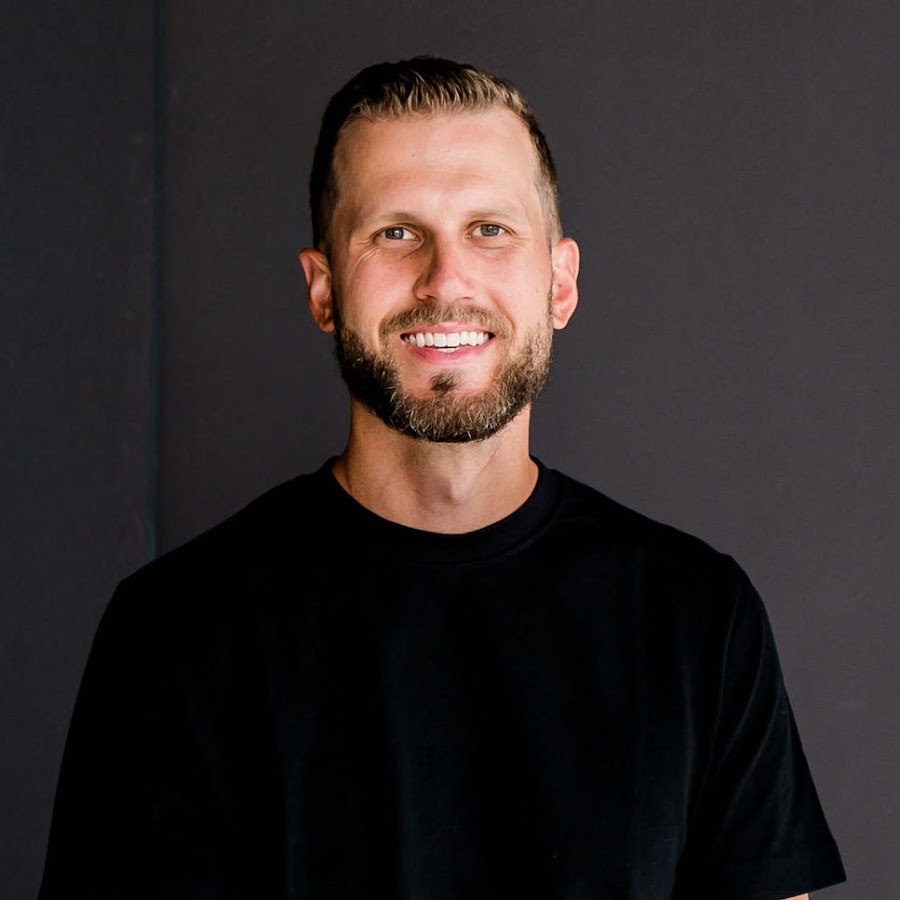
Mandy Hornaday: What does it take to stand out in a crowded content landscape and actually earn the trust of future buyers? In this episode of Growth Activated, I'm joined by Erik Jacobson, founder of Hatch.fm, host of the 95% Content Podcast and the content strategist behind creators like Chris Walker and Dave Gerhardt. Erik helps B2B brands build video-first content engines that drive real trust, not just clicks, across LinkedIn, YouTube, and podcasts. So today we'll dive into what content strategy 2.0 really looks like and how to evolve beyond SEO blogs into scroller-first content that builds brand and trust. The ROI of long-term content, what to measure, how to justify it, and what executives actually want to see. Whether you should go deep on one channel or distribute everywhere, how AI is transforming the content game for better and for worse, and quick wins to start building your content moat this week. Erik also shares tactical advice on how to pick your content spokespeople, whether to hire creators and why repurposing isn't lazy, it's leverage. If you're a B2B marketing leader trying to build brand, pipeline and trust in a noisy world, this episode is for you. Let's get into it.
Mandy Hornaday: Hey, Erik, welcome to the Growth Activated Podcast. I'm so excited to have you here today.
Erik Jacobson: Thank you for having me. Yeah, looking forward to it.
Mandy Hornaday: Awesome. Well, Erik, I know you obviously have your own podcast, the 95% Content Podcast. I am an avid follower of yours on LinkedIn. I really enjoy the content that you put out about content strategies. And I think our audience today will really benefit from your expertise. And so I'd love to start with just a brief introduction, who you are, what you do, and what's led you to this point in your career.
Erik Jacobson: Thank you. Yeah. So I've basically been in content, in marketing and podcasting video, all those kinds of spaces for the last about eight years. Um, and so, yeah, I became obsessed. I became obsessed with podcasting in 2011 and 2012. I started listening to a lot of shows back then about how to start a business when I was working at a job that I hated out of school. And it was sort of like an unlock for me on like what is possible that I had never heard before. Like in terms of entrepreneurship, founders, people building companies, I never really been exposed to it before and podcasts was the vehicle that I was able to learn about that stuff from.
Erik Jacobson: And so then I quit my job and decided I want to start a business in that space because I thought if I had this much of a positive experience with this type of content, the culture probably is going to go this direction as well over time and companies can take advantage of it. And so fast forward 10 years or whatever, and, you know, podcasts are helping politicians win elections. They are where athletes are getting massive awareness after their careers in professional sports. And it's really taking over like, you know, traditional media as like the new, the new format that people consume, you know, media in, in a big way.
Erik Jacobson: And that also is true, not just for podcasts, but for like, you know, YouTube in general, social platforms in general, how people have are where they're getting their information from both personally and professionally has changed a ton, obviously over the last 10 years. And so I've just been like super into all of that basically and started agency called Hatch to help companies execute video-first content strategies for social platforms. So short form video for LinkedIn and social, YouTube execution for their YouTube channels and video podcasts for the podcasting execution. So, yeah, just been like pretty much, yeah, the last eight, 10 years, this is all I thought about, do, work on. And yeah, I don't think it's slowing down. I think it's probably only just gonna increase now.
Mandy Hornaday: You know, I'm glad you touched on that because I obviously, just started a podcast about six months ago. I like you have been very invested in podcasts for the last 10, 15 years. It's, it's made a huge impact on me. I've always wanted to start one and I finally got around to just taking the leap and doing it. But one of the things that was top of mind for me, and I'm sure it's top of mind for a lot of marketing leaders out there is the space feels so saturated. I mean, I think with podcasts, with LinkedIn, with YouTube, I mean, all these channels that are, it feels as though it's important to be there. It also feels more competitive than ever. Are you still seeing, I mean, are people too late to jump on the train? I kind of know the answer to that, but I'd love to hear your perspective on where you think people should be jumping in right now.
Erik Jacobson: Yeah, definitely not too late. Not even close, but I don't think it's a saturation standpoint from other human-led creators. What I do think people need to pay attention to, which is going to happen over the next two to five years, is AI avatar creators. And so the content on YouTube, on LinkedIn, news, well not newsletters, but basically like any of the visual mediums, there will be companies who create, they're not trying to hide that it's an AI influencer. They're leaning into it. Whether culture adopts this or not, this is gonna happen. So I guess my point with that is, is my opinion is that if you are not yet started in it, in creating content for these channels, or you've just kinda dipped a toe in the water, I recommend going as hard as you possibly can right now so that you can get as much traction as possible before what may play out as 10,000 times more content being published on YouTube and LinkedIn in five years than is today.
Erik Jacobson: And so right now the beautiful thing is the supply of content on LinkedIn is much lower than the demand for the content on the platform. Meaning only 1% of people who log into LinkedIn actually post something. And so you have a huge advantage if you, there's so many people consuming it, there's not many posting it. And so you do have a big advantage if you are one of the ones posting and trying to really put a lot of effort into that. But if that increases over time with AI content creation, AI avatars, all that stuff, how that plays out, it may get harder. I do think, you know, it's one of those things that this has probably always been true, but like the best time to start is right now. And you can probably say that at any period, but I do believe that, you know, now, especially.
Mandy Hornaday: Interesting. That's fascinating that I wouldn't have thought that the supply versus demand on a platform like, like LinkedIn is that favorable to the creators because it does feel like even in my own feed, it feels like it's getting more noisy and everyone's posting and it's great to see that everyone's trying to build their voice, but it also feels harder as a creator now. So are there particular industries that you are or personas that are being hit more? I feel like go to market specifically, like everyone in go to market is posting for go to market, but that could also just be because that's what the algorithm is serving me. But where do you think the opportunities lie across industries?
Erik Jacobson: Yeah, I think honestly, every industry has an opportunity and the question here, so I feel exactly what you feel, which is, especially over the last six months, LinkedIn specifically has gotten harder. 12 months ago and for that 12 month period, my engagement and impressions and reach and all of that stuff was definitely higher on average than it is now. What I'm finding now is the average engagement is lower on most of my posts, but it's still good. It's still very valuable and worthwhile. But the ones that really perform, way better than my best performing ones before. So it's this weird like barbell right now, I feel like, which is like, the posts that perform well go absolutely crazy and LinkedIn sends them to even more people than they ever have, but on average it's harder. And I do think that's because more people are using AI to create their content. So it's easier for more people to now be posting than it was 12 months ago. And so yes, the supply demand I do think has like gotten hit a little bit. They've also been dabbling with the algorithm and stuff, I think. But my, my thought about all this is just like...
Erik Jacobson: Um, I think if you're in B2B, I think you have to be on LinkedIn. Um, and so whatever your category is, I'm not saying you have to prioritize, like it needs to be the number one. For example, if you're in B2B and you sell to developers, um, or like a developer audience, you should be on LinkedIn, but I wouldn't recommend that being the number one focus or priority. Um, cause developers don't hang out a lot on LinkedIn for the most part, the CTOs and the C-suite and the managerial level do. But an example for that is like YouTube, like they spend a ton of time on YouTube. So I do think, but just, yeah, like all of the channels work. For the, depending on what category you're in are harder, but that's where if there's more noise, it's just we have to find a way to find our wedge. Like we have to differentiate our how we're positioning our content, the types of stuff we talk about. It just means we have to execute at a higher, higher level. But the prize for doing so I think is very worthwhile.
Mandy Hornaday: Yeah. Yeah. And great reminder to just make sure you are where your audience is because I do find that sometimes go to market leaders lean too heavily on LinkedIn because they're on LinkedIn and not recognizing, I mean, we, for years, I went after a cybersecurity audience and they are, they don't like to be found. They don't want you to find them. And so, you know, it's, you've got to get really creative. But so Erik, I'd love to just sort of take a step back and think about the current landscape of B2B content strategy right now. Obviously you work with a ton of B2B marketing teams. What are you seeing? Like where are teams really thriving and being successful versus what is everybody missing? What should we be really leaning into or thinking about as leaders right now?
Erik Jacobson: Yeah, I think this concept of like what content marketing, that term has been equated to for the last 15 years has been SEO keyword-based articles that are meant to be on your blog that are meant to be found when people type things into Google. That's basically what content marketing has meant for the last 15 years. So content designed for searchers. And I think we now are in content marketing sort of 2.0, which is like content designed for scrollers. And so that concept I do think is becoming more popular because like Google has given you fewer and fewer clicks. Like they're giving the AI overviews, people are using ChatGPT for searches and stuff like that. All of these blog posts targeting, frankly, a lot of keywords that don't really necessarily even drive like a buyer intent anyway. And they're just like, they're not thought leadership either. So they're not really creating affinity. More, more teams are realizing, think like switching that focus to how can we show up on the platforms that our buyers are now hanging out on every day. And that does include ChatGPT, for example, but it also is LinkedIn, podcasts, YouTube, newsletters, webinars, events, all of these things where I feel like we're kind of moving back into this era where brand marketing as a whole, and I would say content fits underneath that.
Erik Jacobson: Which is, you know, we've been historically fighting over people who are ready to buy right now. Like that 5%. And so my podcast is called 95% Content because, um, at any given time, 95% of your buyers are not in market at this very moment. So if you're, if you're trying to capture them with a search result on Google, they're not even typing that in because they're not looking for it. They're not looking for a solution like yours. But maybe when they're out of their contract with a current competitor of yours in eight months, they will start thinking about that. And wouldn't it be nice if for the preceding eight months, they've been listening to your podcast or following you on LinkedIn or following your newsletter so that they don't even need to go to Google to find you. And then they've never heard of you. And then they compare you against everybody else. But instead, your name's on a piece of paper next to their desk that like next week, they're going to reach out to you.
Erik Jacobson: And so the goal I think for this new era of marketing and content is like, how can we be on that shortlist before they ever actually get into a buying mode or have a need for it? And that's harder because you're doing marketing that you can't necessarily track with a click to like a conversion event or an inbound lead from a direct response ad and things like that. But I think that yeah, philosophically, I am seeing like, and this is what we believe in, but philosophically, I am seeing, I think the shift happening.
Mandy Hornaday: Yeah, absolutely. It feels like the pendulum like used to be heavy brand marketing a couple decades ago, and then it like swung to demand and it was all about demand. And now brand it feels like is making a comeback because we're realizing how demand doesn't perform well without brand in a lot of instances, or it's incredibly expensive and ineffective.
Erik Jacobson: Yeah, absolutely.
Mandy Hornaday: Have you thought, how are you personally communicating the ROI conversation with execs as you were selling your services on targeting the 95%? Cause I'm sure there's some gems there that resonate with CEOs that other marketing leaders could leverage.
Erik Jacobson: Yeah. So in the early days of what I was doing, what we were doing with Hatch and just, know, five plus years ago, there was a lot more conversation about like, how many leads is this gonna drive me? And to be honest, these days, I don't really have those conversations as much anymore because I think that you can go look at like case studies of all of these strategies, like a lot of them, showing how effective they are for powering some of the more prominent players in any given category and what they're doing with it. So if somebody needs convincing of like, this is gonna be ROI positive, then it's almost an indicator to me that it's gonna be tough to make it work, to be honest, because it'll be a very short term window of like, how many leads does this generate in 30 days type of thing.
Erik Jacobson: And so really what you want, my opinion is, is you want to see that the in-platform trend of success is happening. So if you say, we're going to pick LinkedIn, a LinkedIn strategy, we want to do it right. And you put a lot of effort into it. What you want to see is LinkedIn impressions, engagement, DMs, people tagging you and think of like, hey, these are my favorite people on LinkedIn. And you get tagged in it. All of these kinds of different things showing that LinkedIn over time is working better and better and better. That is a good leading indicator that you're getting more awareness and affinity on LinkedIn such that you then would hope to see your branded search results are increasing over time. Meaning since there's no click with LinkedIn, they're probably just going to go to Google and type in your company name when they're ready to buy and then come inbound.
Erik Jacobson: And so, um, all of these things leading to like a branded search like that, um, or direct traffic, like literally just typing in your website. Um, ultimately that's what these things should lead to. Um, but which particular piece of content, like, was it this post? Was it this episode? Um, that all that kind of misses the forest from the trees a little bit. It's like the whole ecosystem of that content engine is creating that. Um, and so yeah, from an ROI standpoint, I guess at just the highest level, it's like, we have to have a presence where our buyers are consuming content. I mean, our other option is to not have a presence. And then we could just do cold email or we could do like affiliates, um, or we could do paid ads. Um, but I do believe it would be advisable for everybody to have a presence with organic content that is done well across all the channels that their buyers are hanging out. And so if that's true, then we shouldn't decide should we do it or should we not? We should just decide which one should we do first and how should we do it so we make sure we can do it really well and then monitor the results over time and perfection through iteration.
Erik Jacobson: Yeah, but yeah, that's, there's no like, in my mind there's no kind of hard line, you know, ROI, like lead-based metric, I honestly recommend, like having be the North Star. But you will see all of those things. The whole point of all of this is to drive revenue. Yeah. And so you, you will see that and you will feel it, but you have to kind of look at it. You won't be able to look at it in Google Analytics like you would some of the other conversion events you've set up in there.
Mandy Hornaday: Yep, absolutely. Well, and when you, when you talk about this idea of content 2.0 really being focused on thought leadership and more awareness and sort of top line visibility, certainly I'm sure there's marketing leaders out there that are thinking, where do I get this point of view? Where do I get this, you know, um, this expertise that we should be featuring? And I guess, do you typically always start with the founder and the CEO or have you seen other models work for the leaders where maybe their founder's too busy or maybe they don't believe in it but the marketing leader really does? How would you recommend they approach doing more leadership-driven content?
Erik Jacobson: In an ideal world, the person who is representing the company as the face of the content brand is of the culture of the people that they're trying to sell to. So if you're selling to CTOs, ideally, the face of your content brand has been a CTO in the past, or is your current CTO. If you're selling to HR professionals, same thing. Ideally it is somebody who has HR domain expertise because they've sat in that role. You do not have to have that. Not all companies have that luxury. They may sell to finance professionals, but their CFO in-house is not really necessarily somebody who's super excited about, or has the ability to create content for them. So you don't have to have that. But I'm just sort of, if we have our preference, like that would be number one. Ideally it's someone internal who has sat in the same seat as your buyers. But your founder or your CEO is obviously another great person to do that. And sometimes they've designed a company to sell to people that they've never sat in that role. And so that just is what it is, but they're still a great person to be the face of the content brand.
Erik Jacobson: And so one of the things you can do with this is enable this to be easy mode for that subject matter expert or the CEO. And so having somebody, either the in-house content marketer or an external agency or something like that, basically have a 30 to 90 minute internal recording session with that subject matter expert, one to four times per month. And essentially that's like all you're asking of that person is like, can once a month we sit down for 90 minutes over Riverside, like we're using right now, and the content marketer ask that subject matter expert a series of questions that they think the audience would get value out of. And then the content marketer or the external agency then goes and turns all of that recording into written text posts, video clips, possibly powering a newsletter, maybe even like guides and downloadable resources, all of that kind of stuff basically, and then share it with the SME. The SME can review it before they post. And you kind of have like the 80-20 solved on the timing thing there.
Erik Jacobson: If that is not possible, then you, the other option, I think there's not a lot of companies doing this, but I'm pretty bullish on it, which is you can hire an SME creator to be the face of your content brand. An example of this is Riverside actually. So Riverside has a YouTube channel that has almost a hundred thousand subscribers. They've posted 1000 videos and the person who is doing those is the same person. And it's a creator that Riverside has hired. It's not a founder. It's not an internal person. It's a creator that they've hired for the last two to three years to post content on YouTube for them. And their YouTube is driving a ton of results for them. It's working. And if you actually go to Riverside's homepage, that person's face is the very first face you see.
Mandy Hornaday: Oh, interesting.
Erik Jacobson: And so, yes, there's trade-offs with it. It's like, what happens if that person leaves? And you could argue the same thing with an internal SME or anybody, really. It's like, you know, you have their... I think you have to be smart about how you structure it, but the benefit of that is you can find somebody who's very good and loves creating content. And then also hopefully has a little bit of experience with the category that you sell into and their sole job is to create content. And so that, that is a form of like true easy mode. Um, because then you're not asking anything of really anybody else. Um, but yeah, I think those two options help streamline the sustainability of it a little bit. Yeah. Or it's just your, like the, then, uh, you do true founder-led, like the founder spends 10 hours per week, um, doing their own LinkedIn, uh, doing their own podcasts, doing their own YouTube. And there are massive results to be had for there, uh, for that, but that, but that does just require more time.
Mandy Hornaday: Yeah. I am curious, uh, cause you were talking about, and I, and I love those ideas by the way, in terms of how to, how to staff it. Cause I actually just took on a client right now where they've invested in a podcast, which is great, but they have an outsourced host and the host is not the, the equivalent of the buyer. And so it's a little, it's definitely mismatched. I'm like, okay, you could do the outsourced, but then you're losing credibility either which way you cut it, right? So I think that's really a great reminder. But when you were talking about sit them down, have this one session, collect as much content as possible, and then splice it out, I'd love to understand your perspective around, would you recommend that marketing leaders focus on less content, more channels or more content, less channels? Like, what is it? Is it better for a marketer to say, okay, we're going to dominate podcasts and our major promotion is going to be LinkedIn, right? And those are going to be our two things, and they produce, you know, weekly content or whatever it is. Um, or would you say, well, gosh, it's such low hanging fruit. You're the content production is the main work, you really should be turning those into YouTube shorts and newsletters. And I just, think I personally struggle with that. Do I just dominate LinkedIn or do I put the content to use everywhere? What do you advise?
Erik Jacobson: So I think you can do it both ways. I do not believe you will get the full outcome from a channel unless you first do every single thing to execute the outlier success from that channel before moving on to the next channel. If you have the budget and the resources to do LinkedIn fully, fully right and YouTube fully, fully right, yeah, do them both like right off the bat. I'm not saying you can't repurpose the content. So let's take a podcast for example. I think you have to decide with your podcast what your goal is. So this step is often skipped, but it's, do we want to have a number one podcast in Spotify and Apple? Or do we want to use the podcast as our content engine that powers 40% of the content across all of our channels so that we can be seen as a leader and a thought leader in our category. And you would look at success of the podcast differently based on which of those goals you might choose. And so I think this question is the same thing. It is, what is our goal?
Erik Jacobson: Um, I think truthfully, there are people who devote 40 hours per week to just executing LinkedIn because that's how, how much you could put into it. And there are people who hire teams of 15 people to just work on their YouTube channel 40 hours per week, all 15 of those people.
Mandy Hornaday: Wow.
Erik Jacobson: And so, um, now there's a lot of, a lot of teams where like you have a solo content person and it's like, it's a, they have to kind of, they're faced with this. And so, um, I think something like a podcast for them is actually a great vehicle because you can 80-20 it. Um, and I think you should just prioritize, like for the North Star for the podcast, like I really want to make sure we can get LinkedIn content from the podcast and really focus on how we optimize it for LinkedIn. But I'm also going to put the full length episodes on YouTube and shorts on YouTube. But I'm not going to worry as much about it, but it's going to be there sort of if somebody lands on that, we've got a presence there and it's not vacant and stuff like that. So I like the idea of like the repurposing multiplier from the podcast, but I think you should just have a weighting to what your prioritization of like what you really, what like content channel you really want to drive the success with from it.
Mandy Hornaday: Yeah. Well, and, totally makes sense. And I, don't know enough about YouTube to know, um, if, if you do that, if you, let's say you say, okay, I'm going to go all in on LinkedIn. That's, that's where I'm spending 80% of my time, but I'm also going to repurpose content for YouTube. Are you then putting the YouTube brand at risk for when you are ready to dive in because you've kind of like been half-assing it up until now and YouTube maybe deprioritizes you or has already sort of like made up their own mind of who you are. Like, does that happen? I just, you know, again, or, or is that, can you come back from that when you're ready to finally invest in some of those channels?
Erik Jacobson: You can come back from that for sure. And why I think it's... Um, I don't think we want to be too picky about it, depending on your situation, because, um, let's say you're a small content team. I do think there is value to having a hundred views on your, your full length video podcast episode on YouTube. Now, maybe you're getting way more value and impressions from that content on LinkedIn, cause that's your priority with it. It's not YouTube. But those hundred views, especially in B2B, we're very used to, if you go on YouTube and you see lots of videos that have 400,000, a million, 2 million views, you can get sort of demotivated when yours is getting a hundred. But like put a multiplier, a B2B view, one B2B view is worth 500 or a thousand consumer views. And so like 3000 views of your B2B channel is the equivalent to 300,000 on some just general purpose YouTube video that a ton of people could watch for fun. And so 100 views of one of your episodes on like, effectively, you can double the audience size of your podcast simply by just put, not even really optimizing it that much, just put it on YouTube. I'm not recommend, I love full optimization, like full execution. I'm just going from the standpoint of like not everybody has the luxury to do that.
Mandy Hornaday: Yes, totally.
Erik Jacobson: And the beautiful thing here is you unlock more of your audience TAM. So like we have our TAM that we sell into, let's say we sell into 10,000 people. There's 10,000 companies we could sell into. Our goal as a marketing and content team, I feel like is we want our content to reach, like that's our audience TAM, too. So we wanna, how many of those 10,000 people are consuming our content? Not everybody likes listening to Spotify audio episodes, or not everybody likes consuming content on LinkedIn. So if we provide more of a menu of formats, we can capture the YouTube people, we can capture the LinkedIn people, we can capture the newsletter people, we can capture the short form people, and all of a sudden you unlock more of your ability to capture that full audience TAM because you're providing more formats for people to opt into their preference. And so yeah, I just think like, I don't think we should feel sort of like ashamed of our YouTube channel if it's getting 100 views per episode or whatever, because like the value of each one of those is very, very, very high. And you, you at least get some momentum with it, start figuring out the channel a little bit. And then, know, cool. Next year, maybe I have more budget, more resources, more time. I can now have this at least foundation starting point.
Mandy Hornaday: Yeah. Well, you've inspired me because truthfully I've held off on doing a YouTube channel, even though I have all this great content, because I felt like if I was going to invest in it, I should fully invest in a strategy. And I'm just barely trying to keep up with LinkedIn right now and my, and my day job. But good. Okay. Well, I want to talk about, Erik, I'd love to sort of, the elephant in the room here obviously is AI. And so I'd love to hear from your perspective, where can AI be really helpful and productive? And then where are you, where are you seeing that it actually can be damaging in terms of thought leadership and content creation? And how are you using it to scale in an efficient, effective way?
Erik Jacobson: Yeah, I think there's gonna be a very big pendulum that swings back at some point. And what we're gonna see for the next couple years is people using AI to create most of their content. Not everybody, but a lot of people. So for example, you've probably seen, but like there's the, bunch of these videos, like these AI generated videos with like grizzly bears and like, uh, like doing vlog style stuff and whatever. Like already, like these things feel gimmicky very quickly, basically. And so, um, I think the good way to use this stuff is to help make your content engine faster and easier for you to execute. But the things that you're saying in your content are things that cannot be found inside of an LLM. So if you can go into ChatGPT and type a question into it and go back and forth with it a little bit, and it gives you the same answer as the thing that you would have posted, I think you should be very careful about like relying on that level of content execution.
Erik Jacobson: So like the goal here is what are the stories and information that I can share that cannot be found inside of an LLM. And I think that that is where a lot of the arbitrage is gonna be in the future and help to stand out more. And so this means like, we're gonna have to lean into more of our first person experiences, I feel like. So like, for example, when we post on LinkedIn, instead of saying like, here's how you should do X, Y, Z, we would be saying something like, here's how I did ABC.
Mandy Hornaday: Yep.
Erik Jacobson: And it's like, that is a first person story-based lesson or education based on your personal experience. And that's the type of content I think that's going to stand out. But yeah, it's, it's going to get very good. AI content is going to get very good. So, yeah, I'm definitely paying a lot of attention to it. But I ultimately, I ultimately think when it comes to video content or podcasts and even text content, like I am skeptical that people are gonna wanna listen to, like two LLMs talk to each other, basically. Like, like just an AI-based podcast pretty much. I'm a little bit skeptical of that. And so I think the pendulum is going to come back a little bit to, we want to hear the stories and opinions and expertise more and more and more like of people. And connecting with people. A lot of the reason people like certain content is not just because of the answer that content gave them. It's because of they like that person.
Mandy Hornaday: Yeah. I feel like I'm friends with that person.
Erik Jacobson: And so we kind of miss that sometimes. This is not just transactional education.
Mandy Hornaday: Yep. I totally, even just like a silly example of the, like the, all the morning routine content. Like I could watch, you know, 10 people's morning routines and I so enjoy it, but I don't want to read an article on Google that tells me what my morning routine should be. I want to know what the person, what individual people are doing. Um, or like what you eat in a day, right? I don't need another article to tell me what to eat. Um, and so I think that, yeah, it's, it's really interesting. And that's what I've been, I've been trying to think too, just how do I do more storytelling? What are the... Cause the leadership lessons and the marketing lessons and we all, know, a lot of them are all the same in a lot of ways and it's more of our own take and how we learned it.
Erik Jacobson: Exactly. Yeah. And I think it's going to level up everybody's content. To be honest, this concept of B2B content is boring or B2B is boring. Um, I am seeing that go away. Like that has been something people have said for like five years or whatever. And it's kind of been true. We do a bunch of white papers. Nobody takes any risks. All that kind of stuff. Over the last six months, I've noticed a lot more creativity inside my LinkedIn feed and on YouTube with B2B. And so I think it's going to elevate our content. Like, because now instead of having to, you know, wait 48 hours to get a transcript from something and then like all the blocking and tackling work, that's a random example, which is all the blocking and tackling work of content, we can now focus more on the creativity of it. Like what are super unique thing we can do with this content and the production of it is much easier. And so now we can focus on, you know, the creativity portion and the taste and the judgment.
Mandy Hornaday: Yeah, I'll never forget. I, cause I spent, you know, my first 10 years of my career, spent at a pretty large company. Um, they were about 750 million when I left and it was a very buttoned up brand that the CEO cared very much about, sort of the external facing brand and who we were selling to. And then I went to a startup and the startup was like, eh, do whatever, have fun. And we launched these paid ads that were, ZoomInfo was one of our competitors and we did these crazy fun, competitive, conquesting ads that had like the silliest emojis and people making the silliest faces and stuff. And it performed like 10 times better than what LinkedIn told us it was going to do. We were driving in demo meetings for like $200 per demo meeting, which without having a brand, LinkedIn was like, hey, that's going to be 1500 per demo meeting. And it was, it was wild. It was so much fun. And the amount of prospects that came in and said, we loved your ads. We just had to talk to you. Um, and so I think I, really, for me, that was the first time I had seen something so playful in B2B. Um, and, uh, I, now I have that experience and like, okay, we need to do this more because it will totally offer the return. I know. I don't know why we feel like we have to be so buttoned up.
Erik Jacobson: Exactly. I think it's changing and I just want to encourage everybody because yeah, I totally agree. That's a great example. I want to, think it's good to have that encouragement of like, we, we can be creative, like being fun. Like half of this is about being memorable. You want to tie the memory association to what you do, of course, but like there's creative ways to do that. You're not going to be memorable having the same shade of blue, saying the same like tagline kind of variation that everybody else says. Like, so how can we be like, memory is the deepest moat, you know, like if you're inside somebody's brain and then somebody randomly walks up to them on the street and says like, hey, what's a company that does XYZ and they remember you? Well, I saw this, I saw this really unique ad. What was the company that did the ad against ZoomInfo? Oh yeah, it was that, it was that one company, and then they remember you. Um, that's really valuable. So, totally. I think, I think it's going to be fun, honestly, to be in content, um, over the next, you know, five years with all this stuff.
Mandy Hornaday: Good. Well, I'm excited. Uh, you've jazzed me up. I'm ready to, I'm ready to spread my wings on some other channels. Um, so Erik, as we, as we wrap up here, what would be some like quick wins, low hanging fruit that you see that, sometimes you just wanna like, you're like, why aren't other marketing leaders doing this? This is such a quick, easy win. What are we missing that we could literally start doing tomorrow and see some results from?
Erik Jacobson: I would say, you're gonna have a, let's say you've dabbled a little bit in some content, you kinda know you should do it, but you haven't committed to it yet. Here's what I would say. You'll have a good idea of what your content should be. But once you start posting or once you start recording, once you start publishing, three months later, you will have found an unlock that you never would have seen had you not started and had perfection through iteration. And so I do, I sometimes see a little bit of a hesitancy to get started until things can be perfect. And so what I would say is like, have the goal for yourself be, for the first little bit, did we get the piece of content out? Like when I first started on LinkedIn, I committed to post every single day for 12 months. And that was an extreme amount of work and it worked and I learned a lot. Now I only post two to three times per week, but I kind of know more what's going on and I have a vision for why I should do what I should do on the platform.
Erik Jacobson: So, but my goal, some days I had 15 minutes, some days I spent two hours, depending on what my day looked like, what, what I felt like, but I did, my goal was to get it out. And I was very surprised sometimes about what performed, what didn't. I looked at the data. It's like, wow, people really like this. Or this one took me five minutes and it's the best performing one I've had in three months. What's going on with that? And you just learn and you get these feedback loops. So I think half the battle is just get started. Um, and don't sort of overthink your way out of why you should or shouldn't do, you know, content in a certain way. Um, and just really, yeah, perfect it through iteration over time.
Mandy Hornaday: Awesome. And I would echo that too. I had an idea of what would perform on a podcast because of what I would be interested in. And then, but I tried to diversify content and I'm learning every day what everyone else wants to actually hear about and what they care about. And some of it's surprising and some of it's right on the nose, but it's been good.
Erik Jacobson: Sometimes it hurts your ego when you work on something for two hours, it gets nothing. You work on something for five minutes, everybody loves it. You're like, what's going on here?
Mandy Hornaday: But for me, though, and I guess what has also been really helpful is to dabble in it because my ultimate goal is to start online courses and do online coaching and things like that. And so it's been really insightful to see, well, if I'm going to start dripping that kind of content out, what is the reception going to be? And I've already modified my idea of, I probably won't launch an online course for that because the interest has been lower. But when I frame it like this, or I widen it to this type of perspective, everyone wants to know about it and hear about it. And so even just the product investment intel that you're getting through dripping out content, I think is really valuable.
Erik Jacobson: A hundred percent, a hundred percent. It can literally shape the direction you might want to take your company. Like not even just where you take your content, like feedback from the market may help you guide where you take your company. Um, so yeah. Just get started. Just post, post, post something tomorrow. Everybody, everybody listening, go post something tomorrow.
Mandy Hornaday: Awesome. I love it. Will do. Well, Erik, thank you so much. This has been so fun. Incredibly inspiring and insightful. Where can people find you? I imagine LinkedIn, but where can people find you if they are interested in working with you and Hatch?
Erik Jacobson: Yeah. Yeah. I'm posting a lot on LinkedIn. Uh, check me out there. Erik with a K, Jacobson. Um, and then yeah, we talk, I talk about and have a bunch of people on as well, uh, these concepts, these topics on my podcast, um, pretty much every week, 95% Content. And, uh, and yeah, if you want any help with podcasting, YouTube, short form social, um, yeah, we're available at hatch.fm.
Mandy Hornaday: Awesome. Well, thanks Erik. This has been great.
Erik Jacobson: Thanks Mandy.
Mandy Hornaday: Thanks so much for tuning into this episode of Growth Activated. I hope this conversation sparked new ideas, challenged your thinking and gave you practical tools to help elevate your impact as a marketing leader. If it did, I would love for you to pass it along to a friend or a colleague in B2B marketing. The more we grow together, the more we raise the bar for what marketing leadership can look like. And as always, in the meantime, keep activating growth for yourself and your company. See you next time.