Mandy Hornaday: A full brand relaunch and website rebuild in six weeks, with a tiny team, no agency, and AI doing half the heavy lifting. I thought it was impossible until today's guest walked me through exactly how she did it.
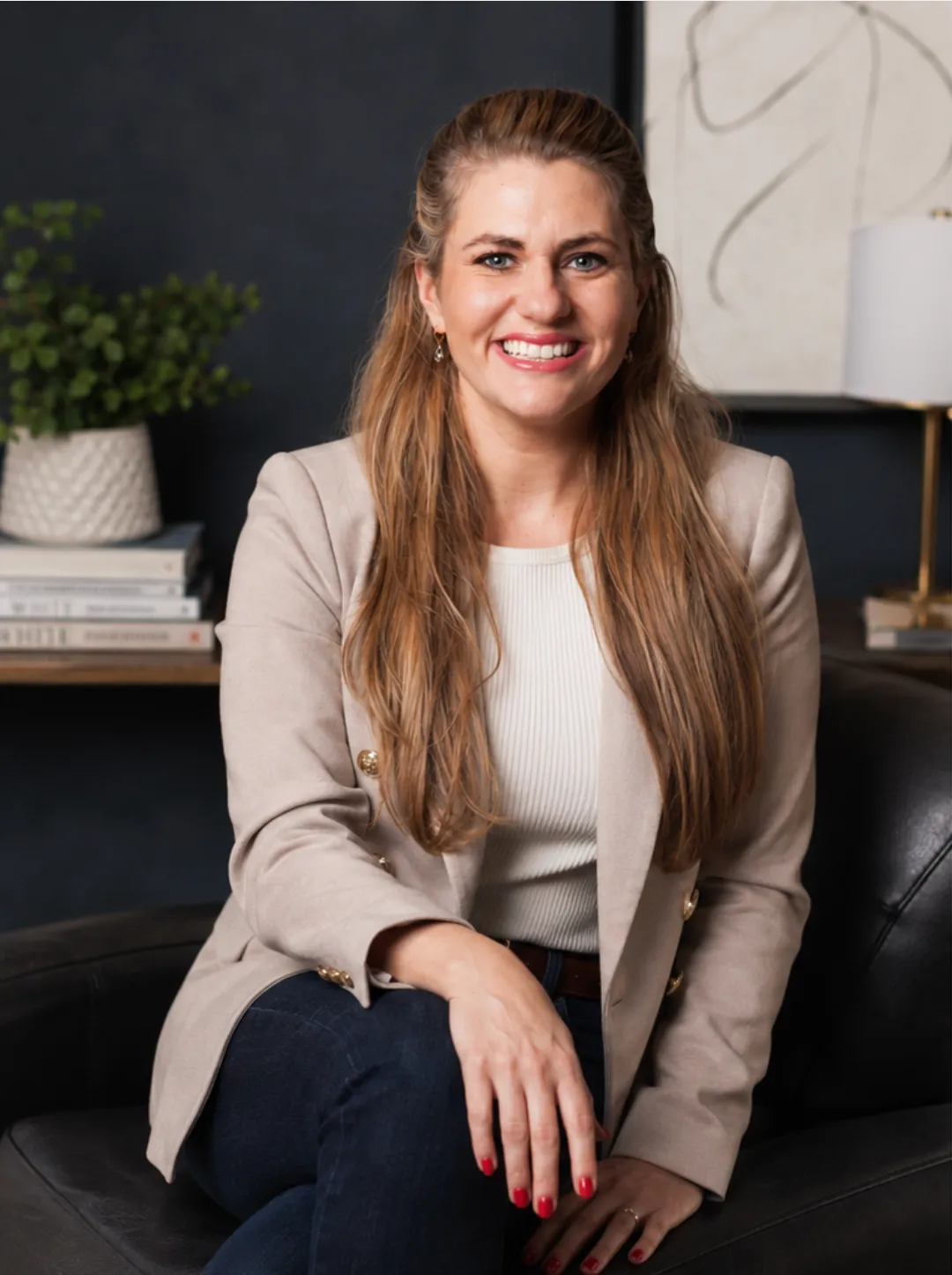
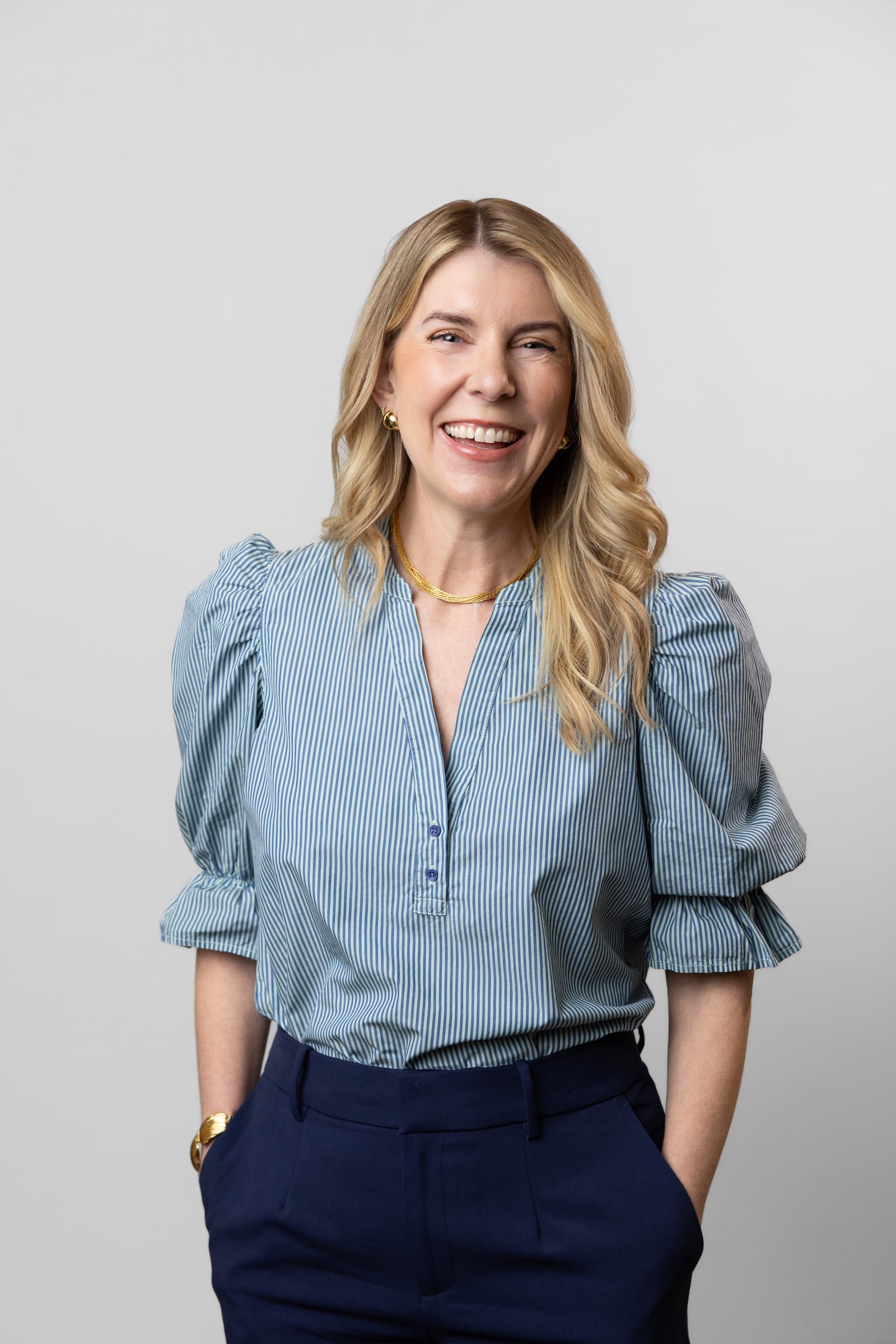
Mandy Hornaday: Hey everyone, welcome back to Growth Activated. I'm your host, Mandy Hornaday, and today I'm joined by Dana Gagnon, CMO at Everee and former Pluralsight marketing leader who helped scale the company from 50 employees all the way through IPO. Dana just led one of the fastest, most modern rebrands I've ever seen, and she didn't do it with a giant budget or team. She built an AI-powered workflow that let her move faster than most agencies without sacrificing strategic rigor.
Mandy Hornaday: In this episode, we'll cover the six-week brand relaunch playbook, why the timing mattered, the business case she built, and how she knew AI would become a competitive advantage. How she actually pulled it off, the exact AI tools, workflows, and project structure that allowed her to write 13 pages of web copy in an afternoon and prototype the site pages herself. And the speed versus quality trade-offs, what worked, what didn't, and where human creativity still matters most when AI is doing 60% of the work. If you've ever said, "we'd move faster if we had more resources," this episode will change how you think about brand speed and what modern marketing teams can really do. Let's get into it.
Mandy Hornaday: Hey, Dana, welcome to the Growth Activated Podcast. I'm so excited to have you here today.
Dana Gagnon: Thank you so much for having me, Mandy. I'm excited to speak with you.
Mandy Hornaday: I have been so looking forward to today's conversation. One of my biggest clients right now is going through a rebrand, and when I heard from you at our most recent CMO Mastermind that you were also doing a rebrand, but on a hugely accelerated timeline using AI, I had to know more. But let's start with your background. Would you mind sharing a little bit about your career story and where you are today?
Dana Gagnon: Sure, absolutely. I actually started in digital journalism. Originally from Chicago, I worked at the Chicago Sun-Times and the Chicago Tribune. This was way back in the early days of blogging and social media, and part of my role was educating reporters on best practices for those channels. I also ran a couple of digital properties, focused on digital-first journalism, particularly on the entertainment side. Really cool job, loved it. But a recruiter reached out, and there was a forward-thinking small startup in the suburbs of Chicago that had a successful blog and was looking for a content marketer. This was before hiring a journalist to run content marketing was really a thing. Everybody thought I was a little insane to leave journalism and go into tech, but I just fell in love with the company, their mission, and their vision. I went for it, literally didn't know what content marketing was at the time, but it was a rapidly evolving space with so much overlap with my journalism background.
Dana Gagnon: I joined that company, it was called Train Signal, focused on IT training, and eight months in, they got acquired by a company in Utah called Pluralsight, which was essentially Netflix for software developers. They had just raised a Series B, were growing at triple-digit rates year over year, but didn't have much of a marketing team. I started traveling to Utah every other week and got thrown into the fire, running everything from SEO to website optimization to paid campaigns to sales enablement. I was there from employee 53 all the way through IPO, eight years total. I got to experience a rebrand, multiple brand campaigns, a first-ever user conference with guests like Michelle Obama, Malala, and Trevor Noah, and all of the execution around the IPO, the road show video, covering the NASDAQ listing day on social media. I ended up running social media, content marketing, and copywriting on the brand team. It was just a remarkable career journey and I can't imagine any other job where I would have learned that much in that amount of time.
Dana Gagnon: After eight years I left Pluralsight to join Everee, which is a payroll software company. Our big differentiator is that we can pay workers every single day. We work a lot with gig apps, staffing agencies, and any workforce with a need to pay workers faster. I joined them a little over four years ago as their CMO. It's been a really exciting change of pace going back to the startup world, being scrappy, learning a new industry in fintech and payroll, and being part of innovation in a space that has been incredibly stagnant for a long time.
Mandy Hornaday: I love it. The user conference sounds fascinating. I spent 10 years in events. Did you get to meet Michelle Obama?
Dana Gagnon: I did. She was like the nicest human on the planet, seriously. I was so starstruck. I fumbled it completely. I have a photo where she's gripping my waist, I never wanted to throw away that shirt. We didn't know if you hug them or how to approach, and she initiated hugs with all of us. When she heard what I did, she was like, "Oh my gosh, that sounds so hard, I could never do that." Just so sweet and genuine. I also got to meet Malala, Ellen DeGeneres very briefly, just a really cool experience. And just having that experience of building an event that serves your clients, giving them something tangible and actionable to take back to work, wrapped in a brand experience that builds real affinity, was incredible. I ran the content and social side; our event team were absolute saints. I don't know how they pulled it off.
Mandy Hornaday: Absolutely. Well, let's talk about the rebrand. What was the impetus, and how did you envision doing it differently than it had traditionally been done?
Dana Gagnon: Our CEO is a former CMO, he was at Skullcandy before Pluralsight, and he's very much a brand guy. He actually came to me with the idea of a rebrand, and I'll be honest, I was skeptical at first. We're a small team, it's a ton of work, I'd been through it at Pluralsight and knew exactly how much went into it. But it became really apparent that now was the right time because so many different things were converging at once.
Dana Gagnon: His initial reason was simply that we'd evolved so much as a company. Our original brand is about six to seven years old. I'd updated the color palette, patterns, photography, and messaging over time, and we did a full website refresh about two and a half years ago. But a new logo and a truly distinct new brand felt like a huge undertaking for such a small team, especially since I don't have a designer on my team. So I was nervous. But right at that same time, I was working with our product team on product naming strategy. We had a bunch of product names released over time without a cohesive story, and I was working to organize them into new naming conventions. And every year or so I go through a repositioning exercise where I gut-check our messaging and differentiation.
Dana Gagnon: I follow April Dunford's positioning methodology, so I check in with our executive team and sales team to make sure our differentiated value is still clear and current. This year it became clear that our differentiation had evolved enough that our visual identity no longer matched what we were trying to say to the market, or how we wanted to roll out the new product families. It was a convergence of all of these things coming together that made it obvious: if we're going to rebrand, now is the perfect time. I wouldn't recommend rebranding just for the sake of a new logo. But if you have a compelling reason to change the story you're telling the market, it's a great time to make the rebrand stronger with a bigger launch. We also have a really innovative product announcement we're combining with it, so it felt like the right moment to do something bigger.
Mandy Hornaday: Walk me through what led you down the AI-driven path. Where did you even begin?
Dana Gagnon: On the core visual identity side, I quickly learned that AI was not going to solve what I needed. I played around with logo ideation through some design tools and immediately knew it wasn't going to work. Even without a deep creative background myself, I have strong opinions about how we should look visually, and so does our CEO. I was fortunate to be hiking with a friend who works at a large fintech company, and she introduced me to a visual identity designer she works with who is amazing. So I did go through a pretty traditional process for the new logo and color palette.
Dana Gagnon: That said, I used AI extensively to prepare for that work. Before the logo process even started, I had been building new messaging and positioning. One of the things I did was take 150 pages of prospect and client Gong call transcripts, anonymize them, removing all company names, and feed them into ChatGPT to extract: what problems are our clients describing? What jobs are they trying to get done? How are they talking about things in their own words? That informed how we talk about our product and how we position ourselves as a company.
Dana Gagnon: I also developed a new brand voice and persona before going into the logo work. I found companies I admired for their voice and tone, pulled their websites into Claude, I ended up using Claude for this because I find it picks up on tone of voice better than ChatGPT, and using a framework from a woman named Emma Stratton, who is all about messaging and cutting through corporate speak to sound like a human. She has something called the barbecue test: your website copy should sound like you're explaining your company to someone at a barbecue. I fed those principles into a Claude project and built new brand voice guidelines, principles for how Everee should sound and what we need to follow when creating content for the rebrand.
Dana Gagnon: Once I had a new messaging house and this new brand persona, I was able to build a strong creative brief for my designer. I used ChatGPT to help generate the inputs for that. Then I walked her through what we liked and didn't like about our current brand, the brands we admired, and she designed several options. We narrowed it down to six logo directions and I pitched them to our CEO. The beauty of a small startup: at Pluralsight, we had a conference room with a hundred logo options and company-wide voting. Here it came down to me and our CEO picking a direction and running with it. And once we had that visual identity, that's when the AI-accelerated timeline really took off.
Mandy Hornaday: So the designer did the logo and brand standards, and then once you had that foundation, you used AI for the execution. Let's talk about the copywriting.
Dana Gagnon: Yes. So after she delivered the brand standards and foundational elements, logos, patterns, color system, I started using AI for both the website copywriting and some of the actual site coding. Let me walk through the copy side first, because it was a journey.
Dana Gagnon: I initially started in ChatGPT, built a project, fed it everything, voice guidelines, messaging, the pages I needed. I was starting with just the homepage, and I had a day of genuine panic. I thought, it's just one page, I can knock this out. And the problem with AI is you can regenerate endlessly and start to feel like nothing is good. I was going in circles, going back to writing it myself, feeling stuck. I realized I was missing a framework. I was giving it all the right inputs on what I wanted to say, but not a foundational structure for what each section of the page needed. Once I gave it a proper outline and got a version I was reasonably happy with, the writing still wasn't landing the way I needed it to.
Dana Gagnon: That's when I went to Claude. I rebuilt the project there with nearly the same prompt, and the output was night and day different from the start. I'd always kind of assumed the LLMs were similar in output, but what I've found is that when it comes to copywriting and brand voice, Claude picks up on nuance so much better than ChatGPT. I still use ChatGPT a lot for strategizing and brainstorming, I find it's stronger there. But once I had the Claude project set up with consistent instructions and nailed the homepage, tweaking and editing it myself, which is easier given that I'm a writer and copy editor by trade, the rest of the pages just rolled. It understood the voice, understood the layout, understood the consistency of flow. After that day of panic on the homepage, I was able to produce the other 13 core website pages in a single afternoon and get them to a point I felt genuinely good about.
Dana Gagnon: Once I had the copy foundation, I had my designer work on the homepage layout to establish how the new brand actually shows up on the page. I always write copy before designing, too many variables if you do it the other way around; the layout doesn't have enough flexibility to tell the story. With the homepage designed as a reference, I was then able to replicate it forward using a combination of vibe coding tools and a designer-developer I brought in who built templates in WordPress using Elementor.
Mandy Hornaday: When you say you're creating a project in AI, is that like a custom GPT, or is it a different thing?
Dana Gagnon: It is different. It operates somewhat similarly to a custom GPT, but rather than training a model on a bunch of things, it gives you a workspace where you can upload specific instructions and reference documents, and then it has its own chat window. Every chat you run through that project, and this works in both Claude and ChatGPT, goes back and references those instructions automatically. What's interesting now is that it actually shows you its thinking process. I had three websites I liked uploaded as voice and tone references, and I could see it going back through all three sites, through our voice guidelines, through our messaging house, and then back to pages I'd already written before generating anything new. That's really how I was able to move so fast, I didn't have to start from scratch with prompting every time. It had already figured out what I liked and internalized the iteration feedback from the homepage.
Mandy Hornaday: Do you use projects for recurring marketing activities too, or mostly for defined projects with a clear start and end?
Dana Gagnon: I think I could be using projects more, honestly. So far I've used the rebrand project in Claude and an event planning project in ChatGPT, I'm constantly theming event plans around locations, so I don't want to keep re-referencing the basics each time. For recurring tasks, I tend to use agents more. I have a recurring weekly agent that scans for news stories related to keywords in our vertical, things like paycheck to paycheck, financial stress on workers, and pitches me LinkedIn post ideas based on what it finds. So it kind of depends: recurring tasks tend to be more agent-driven, while projects are for more complex work with a lot of deliverables that will have a defined endpoint.
Mandy Hornaday: Let's talk about the design side. Your designer did the homepage, and then you used other tools for the remaining pages?
Dana Gagnon: Yes. She did the homepage and one core product page. I did take a stab at vibe coding the homepage myself, and I knew pretty immediately that I could get something decent, but for the most important page, her work was going to be so much more impactful, and it gave me the anchor I needed for everything else. Because with AI, the outputs are only as good as the inputs, and having her design as a reference made every subsequent page faster and better.
Dana Gagnon: For the more straightforward pages, I've been using v0 from Vercel, there's also Lovable, Bolt.new, a few others. I ended up on v0 because I randomly got an email when they launched, it was free, and it was genuinely easy to use out of the gate. The first thing I actually prototyped in it was just the navigation, I was working on the product naming strategy and wanted to see if the new category structure would work in a dropdown menu before I committed to it. That's one of the most useful things about these vibe coding tools: you can wireframe and iterate incredibly fast to see if something is going to work before you build it.
Dana Gagnon: I also used it to lay out copy I'd written in Claude, just to gut-check the length. As a copywriter I can edit myself, but seeing it on the page immediately tells me when something is a paragraph too long. Then as I got more comfortable with the tools and had the designer's reference, I started using them for simpler pages directly, our integrations page, an additional product page based on her template format. In parallel, I also brought in a second designer-developer who builds directly in Elementor, which is what our WordPress site runs on. She built five pages in a single day using the brand guidelines and the module templates she created. Between duplicating her modules and vibe coding where I need it, that's the combination that's letting me pull this off without being a designer or a developer.
Mandy Hornaday: How did you even know to approach it this way? How did you figure out that it could be done like this?
Dana Gagnon: Honestly, I kind of hacked it together as I went. I pay a lot of attention to what's happening in AI, I have a Slack channel I call AI Guides where I save newsletters, articles, LinkedIn posts about tools and approaches I want to come back to. I follow people like Nicole Leffer closely. I save things I don't need yet but think I might need in the future. So when I had my ChatGPT panic moment on the homepage, I remembered seeing people in marketing communities say that Claude is a better copywriter, and I had that aha moment and went to try it.
Dana Gagnon: But I also think being in B2B marketing for 14 years, coming from a content and copy background, I know how to write a good brief. I've been writing pitches and creative briefs for freelancers and copy teams for years. I knew the inputs required to get good output from these AI tools. I know what good design versus bad design looks like, even if I can't design it myself. That baseline has made it a lot easier to move fast. If I were more junior or didn't have those foundational principles, I think it would take more work. But I've been able to run quickly because I know what I'm looking for.
Mandy Hornaday: How do you feel the quality will compare to a fully custom-built, human-made site?
Dana Gagnon: The pages my designer did, the homepage and core product page, are just sexier than the pages I'm vibe coding. No question about it. Image generation and editing is still not great in AI. I was trying to vibe code a page with a product screenshot where I needed a logo and an arrow pointing to a specific element, and it just got jumbled and weird, words backwards, the layout nonsensical. That's where I had to stop and recognize it's faster to go into Canva myself or hand it to a designer than to keep prompting. So there is a refinement layer on imagery that I'm consciously treating as a phase-two task for some pages.
Dana Gagnon: That said, I'm genuinely happy with the quality overall. There's nothing I'm not comfortable putting out. It's maybe not as complex, there are animations I'll add back in later, more refined product imagery to come, but there's nothing about the layouts I'm unhappy with. I have an animator I'm contracting with for the homepage hero section, which I also tried to vibe code and quickly realized is an art form that needs a human. I'm picking and choosing where to bring in that level of craft versus what I'm comfortable living with as an MVP and upgrading post-launch.
Mandy Hornaday: What was the full timeline from "we're going to rebrand" to launch?
Dana Gagnon: I started the foundational work around July, but it wasn't full-time, I was running all our digital campaigns, creating content, managing a heavy event schedule at the same time. I had an exec offsite in September where I gut-checked the differentiation and positioning exercise with the leadership team. Funny enough, I'd already written the website by then, so it was kind of like, well, I hope you're aligned, because the copy's already done. I knew we were in good shape because we'd been in constant communication throughout. All in, from July to launch, it will be less than four months, and not working on it full-time. A lot of the foundational work was also accelerated by AI, going through call transcripts to gut-check positioning against competitors, things that would have been entirely manual in previous years.
Mandy Hornaday: Any final learnings or things you'd do differently?
Dana Gagnon: A few things. First: AI makes it too easy to iterate. You can regenerate endlessly and it becomes a trap. You have to have a really strong opinion on what you want going in. One thing that helped me a lot was writing the homepage myself first, just a rough draft, not well written, just getting the key points across for each section, and then feeding that into Claude in the project. That really helped it understand direction instead of generating from thin air. For the subsequent pages I didn't need to do that because it had already figured out the pattern from the homepage. But for something as important as your homepage, give it a first pass yourself, especially if you have any writing ability on your team. It doesn't have to be good. It just guides the model so much better.
Dana Gagnon: The other thing I'd say is that I miss the creative collaboration. There's only so much you can get from iterating with an LLM that is, to some extent, always telling you what you want to hear. Sometimes I'd get a headline and think, that's great, but I was in a little bubble with a robot. I miss having a room full of people reacting in real time, pushing back on a section, suggesting a different headline. If you have the ability to bring that back into the process in ways that won't slow you down, I'd encourage it. It wasn't really an option for me, we're remote, and I'm the only one on my team with strong opinions about copy, but there is definitely a part of the creative process that I missed.
Mandy Hornaday: This has been so much fun. Any final thoughts, and how can people find you?
Dana Gagnon: Thank you so much for having me, Mandy. I am super passionate about this. I love talking about marketing in general, but I also think this is the most exciting time to be a marketer. Being able to create and ideate at this speed, I wouldn't want it any other way now. You can find me on LinkedIn, I'm Dana Gagnon. I post a bit, not as much as I probably should, but I'd love to connect with anyone who's tackling marketing on a smaller team and interested in leveraging AI.
Mandy Hornaday: You'll have to post and share when the rebrand goes live.
Dana Gagnon: Absolutely. Shouting from the rooftops for sure.
Mandy Hornaday: Amazing. Thank you so much, Dana. Appreciate the time today.
Dana Gagnon: Thank you, Mandy.
Mandy Hornaday: Thanks so much for tuning into this episode of Growth Activated. I hope this conversation sparked new ideas, challenged your thinking, and gave you practical tools to help elevate your impact as a marketing leader. If it did, I would love for you to pass it along to a friend or a colleague in B2B marketing. The more we grow together, the more we raise the bar for what marketing leadership can look like. And as always, in the meantime, keep activating growth for yourself and your company. See you next time.