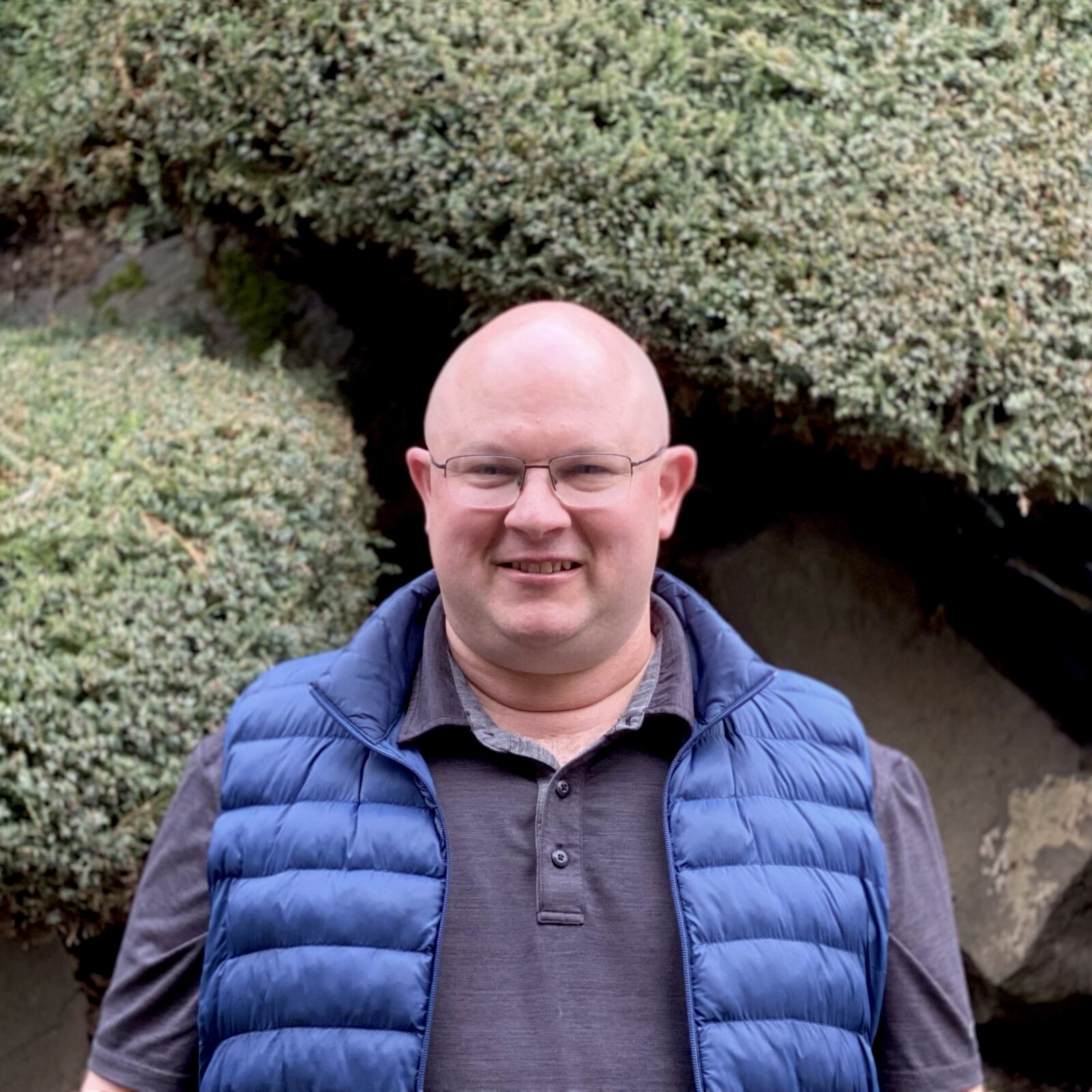
Mandy Hornaday: Hey Matt, welcome to Growth Activated. I'm so excited to have you here today.
Matt Heinz: man, I'm really excited. Thanks so much for inviting me.
Mandy Hornaday: Yeah, me too. Me too. Can't wait to pick your brain on all things CMOs. I love that you host CMO Coffee Talk, but give us a quick preview of your background and what you really focused on today.
Matt Heinz: man. Yeah. So I, I've had a Heinz marketing for about 18 years, our whole focus is helping companies with complex buying journeys, create more predictable pipeline. Increasingly, that's about, you know, helping improve go to market campaigns, as well as improving internal work design on how the work gets done between go to market teams interacting with tools and agent workflows and whatnot. And it's just been a fun ride.
Mandy Hornaday: Yeah, yeah, absolutely. And I know you, I think you have a few different shows and things you run and tell us a little bit about, mean, because you're so connected into the community too.
Matt Heinz: Thank you. I it's all been kind of organic. You know, I think you know, my when I first started 18 years ago, I was just me a laptop and a bus pass and I didn't have any money for anything. But like I'm a trained journalist, studied journalism and political science in college. And so I just started newsletter, I started blogging. And so it's just it's what I'm doing now is just a manifestation of just content in a lot of different formats. It's everything from just saying yes to people like, you know, like you, it's like, Hey, let's do a podcast. Yeah, sure. I do a show Friday morning with Brian Adamson every week. You know, the CMO breakfast that we hosted has manifested into the online CMO coffee talk community. So it's been somewhat organic, but it's really become just a fun habit of, you know, engaging with people that are in the work, doing the work, learning and coalescing what they're thinking and doing, bringing that back to those groups in these different formats. And just go to sharpening my saw along the way to be able to help marketing teams and CMOs kind of navigate the increasingly complex waters of B2B.
Mandy Hornaday: Yeah, absolutely. Well, I think you're a great case study and someone I pull some inspiration from. I have to say, even just starting the podcast about a year ago, it's been one of the best things I could have done for my career. Like the amount of information I learned just by talking to people who are in my seats, it's amazing.
Matt Heinz: I agree. And I think, know, I'm recording this, it's early my time on the West Coast. I've got kids I'm taking to school later. I love the fact that I can do this now from here in a more casual, easy access way. But it does not replace getting in front of people. It does not replace just the interaction you have. so like, podcasts are great, videos are great. But getting out and having those conversations, hearing what other people are at, not just not just the experience, but the context. of the experience I think is really important to understand where people are coming from. Because like we don't come into these conversations as marketers and CMOs, we come into them as humans playing those roles, right? And so to help people, especially now navigate a lot of change in go to market, AI is part of that, but AI is just one part of that. There's a lot of other things that are happening. How do you navigate that? You can't just write a playbook. Every single company needs to navigate the change management and culture change components. of putting this in place and that means you have to address the human side of this as well.
Mandy Hornaday: Absolutely. Well, what a great transition. You could have done my job for me. What a great transition into what I wanted to talk to you about today, which is how you are seeing real time the CMO role evolving and where it feels like it's going to go. I I know for me personally, mean, for years we've been struggling in the CMO role, obviously well-known stat that we've got the shortest tenure in the C-suite. constantly having to prove ourselves, this do more with less. And then you kind of throw AI onto it now. And it's like, we're trying to build the plane while we fly. We've got, if you're a reactive CMO already, you've now have people saying, well, can't AI do that? You know, it's like the new version of, can't you just do more with less? So I'd love to sort of hear, and I agree, I don't think AI is the full picture. let's give me your version of what current state feels like for CMOs right now and what you're hearing about.
Matt Heinz: Yeah, so I think that, I mean, if you think about the evolution, though, I think how the CMO role has been perceived or managed. Hold on one second. Bye Evan, have a great day. It's a tradition that even if I'm on a call at this time, I have to say goodbye to my middle schooler who's walking out the door to go to the bus. So thank you for accommodating that. If you think about the evolution of the CMO, like if we think of that as an acronym, right? It wasn't that long ago that that really in many organizations meant the Chief MQL Officer. Right? It's just someone that's just supposed to generate leads. What kind of leads? I don't know. Any lead. Any lead is good. Right? Just anyone who raises their hand. And then we said, okay, like we really need to think about the marketing. And I, you know, I'll give credit to Latané Conant, who's the former CMO at 6sense for saying like, no, we're getting rid of the ing. We need to own the market. And she's right. I think one of the most important jobs a CMO has is product market fit. Because if the CMO understands the market better than anyone, if they understand the customer better than anyone, they should be highly involved in product strategy. Your sales team doesn't need more leads, they need a market that demands and craves what you're selling. They need a market that understands the problem you're solving and is prioritizing an answer to that. Like that's more than just generating leads, that's conditioning a market to understand and crave and that's different motions. That's why we're seeing more brand awareness. That's why we're seeing more work in that front. So I think then you move from sort of this chief market officer to what I would call the chief market orchestrator. Which means you've got someone who is now orchestrating efforts inside and outside the organization to be effective. And this is where I think it's really important to almost lean into better work design. think AI, if anything, has exposed the fact that we don't have as marketers good workflows on how this complex work gets done. And unless we can document it, unless we can actually sort of, you know, put a sort of organize it in a more effective way, we can't deploy technology to do more of the jobs that it is effectively able to do better than humans today.
Mandy Hornaday: Yeah, absolutely. I couldn't agree more. think one of my strengths has always been operational excellence. Like that's what I always prided myself on. I was never like a brand visionary. was never, or at least I didn't feel like it. It never, you know, and so I feel like it's my time to shine now because it really, AI is just amplifying these problems that we've always had in marketing. And it's like, now it's like shiny object syndrome times a hundred, feels like.
Matt Heinz: Well, it's a different skill set too, right? mean, not every person that grew up in marketing thinking they were going to be a master of process, right? And so like, you know, if you're a chief marketing orchestrator, right? If you're that means that you're not just orchestrating what's happening in the market, you're orchestrating what's happening internally. And as an orchestra, if you're you're orchestrating something doesn't mean you have to know how everything to be the master of doing everything. But you have to find people and systems and tools that can do those things. But you absolutely need to understand how to create repeatable, sustainable progress. We've spent, I don't know, like 12 minutes in this podcast already and we haven't even talked about attribution, which might be a record. But when it comes to attribution, I really don't care about who needs to get credit. What I really want is a more confident view of what's gonna happen next. I want more predictability of that I'm gonna do these things and I'm gonna get these outcomes, right? And it's not just understanding what that is, but it's building the workflows. and the processes that are gonna get that repeatedly over and over again. You could do this without any technology, but the tools and the tech and the AI is making it more accessible, making it faster, making it a lot easier to create those predictable, scalable results.
Mandy Hornaday: Yep, yep, absolutely. And I think the cool thing too, know like product marketing has never been as an example, if to go back to your chief market officer comment, product marketing has never necessarily been a strength of mine, but what I will say, like that's where I'm finding the most value in tools like Claude, where I feel like I can pair my strategic mindset and approach and be able to fill in a lot of those gaps that I've had historically too. So I think it can be. It's obvious it has a lot of power, but generally speaking, I agree with the direction that you're saying. And to your point, attribution, know attribution, revenue responsibility, some of these things I've heard you talk about that are really high on CMOs minds. Walk us through some of what you're hearing in terms of like what's keeping CMOs up at night as it relates to those things.
Matt Heinz: Yeah, I mean, like relative attribution, it's impact, right? It's understanding the impact of the work being done. It's, know, it's, it's not conceivable that you can take a 12 month sales cycle and say, well, the white paper did it, or the trade show did it, or this email sequence did it, it's a body work mentality you have to have. So that's why I think it's important to break down the process as best you can and create repeatable, predictable outcomes, not just overall, but to components of the buying journey. That means you got to understand the buying journey. That means you understand the buying group. That means you understand the dynamics of how they operate and don't always go in sort of one direction. They go up and down in all different places. So the better you can understand that, the better you are, the better you can communicate uniquely to people at those stages, the better you can deploy automated workflows to communicate some of those things based on what you see. So I think really it's I mean, so that comes down to something fundamental of how well do you understand your audience? How well do you understand the subset of the subset of the market you need to be selling to? How well do you understand how they buy and who's involved? Fundamental questions that many companies still don't have great answers to. And if you can unlock that wisdom and embed that in your systems, embed that in how your sales team sells, embed that in the way that you build brand, embed that in the way that you create that product market fit, you're in a great place. So the fundamentals, I think it's so easy just to say like, how do we do this? Just go faster. How do we create, you know, automation? It's like, yeah, yeah, yeah. You can do all that. But if you don't have the fundamentals, you end up with what we see in our inboxes every day right now, which is garbage, which is AI generated garbage and 10 times more than we had before. And we're just flooding our prospects. So that's one. I think another is just, you know, orchestrating the go to market motions across teams. Right. I think it's, it's one thing to be able to sort of orchestrate it across your marketing efforts to say like, you know, many companies, especially larger organizations, I got an email team over here, brand team over here. I got a social team over here. They all have their own strategy, they all have their own campaigns, they've all got their own editorial calendars, and that's just confusing to your prospects. So aligning all of that is critical, but then doing that with your sales team, with your customer service team, so that your customer feels like they are have a sort of a through line of how they're engaging and hearing from you is really important. The last thing I think if we addressed attribution, it's really more around like, how do we, how do we orchestrate a more revenue responsible output from what marketing is doing. And the most important thing I think marketers marketing leaders can do is rethink the story they're telling the organization about what marketing's impact is. If your story is embedded in a spreadsheet that shows up into the right MQLs every time, then what you're telling the organization is the that leads are most important. The best market best marketing leader take a bottom up approach, especially in complex B2B. We need to close X type of deals. And it's going to cost us this amount to close those deals. That's a body of work you can now deploy across sales, marketing, brand campaigns, etc. And don't just give your team a spreadsheet saying here's all the money we are spending. Position it as you are buying outcomes, right? Your CFO isn't pushing back on your budget because she doesn't trust you. It's because she sees a bunch of money being spent and she's not not really sure like what the outcome is. tell a story of what you are buying for the organization, not where you are spending it. And have that as a basis for the outcomes that the organization can then kind of go and decide, okay, like if we don't want to spend this much money, then we're not able to buy this many outcomes. Are we okay with that? Right? And if we are, then good. The language and the storylines you tell as a marketing leader matter.
Mandy Hornaday: Yeah. And that even as you were, I agree. And as you were talking about it, it was just even thinking like how I think about campaigns. Like so often even we use, we, think demean the word of a campaign, but really like a campaign should be about how you are penetrating a segment of your market and what are all of the things you're doing to increase and like get deeper into that. And so it doesn't have to even just be about MQLs. It could be, brand lift and visibility and building trust and I just think so many, we really struggle with storytelling I think a lot of times as.
Matt Heinz: Well, not only with storytelling, but I love that you brought up sort just what is a campaign, right? Because I think many organizations, it's just next Tuesday's email, right? That's a tactic, that's a motion, that's important. But here's an example of what I think a good campaign is. know, years ago, a friend of mine is, know, CMO at Smartsheet. And, you know, they're doing, they're going up level, they're going enterprise, they're getting more enterprise deals, but they're not getting into the consideration set internationally. Like in the US, good brand awareness. Internationally, big deals, not getting into RFPs, not enough awareness. Okay, so the objective is we need to be finalists in more of these opportunities. We need to be known so people are bringing us in. Long story short, they ended up making a pretty massive investment in Formula One and McLaren racing. And they did some pretty amazing things with the McLaren team that generated some PR and generated some really good goodwill. And it was expensive. And the CMO said like, we are not. going to evaluate this based on MQLs that come from a landing page somewhere. This is a broader long-term campaign to make sure we are relevant and growing our business internationally. That is a strategic narrative that now the CEO can get behind, the CFO can get behind, the board can get behind. And Long Story, it's been a highly successful program for them, in part because they took a big swing, in part because they had the budget to do it, but also because they told the story upfront of what it was gonna take and made sure that there was staying. to have that impact for the organization. That's a campaign.
Mandy Hornaday: Yeah, absolutely, absolutely. I wanna go back to the revenue predictability. I think it was the number one, it was the first thing we sort of talked about and gave a lot of great ideas around or a lot of great examples of the fundamentals you have to have in place. What are the, I imagine you go into organizations and work with CMOs to help them get their arms around this. So for those that don't have the benefit of working with you at the moment, Where would you tell, like, what is the step-by-step process you would tell someone, a CMO, to start if they're trying to understand and get a handle on revenue predictability?
Matt Heinz: I mean, you got to do it from the top and the bottom, right? mean, unless you're brand new in business, you have data that can give you ideas of what's working at a meta and a micro level. Even like my very first client 18 years ago, like we didn't have AI, we didn't have attribution tools, but we were pretty good at using Salesforce at the time, right? And so we were able to reverse engineer data out of Salesforce that told us if this happens, then they were three times more likely to get this outcome. And now you've got AI tools where you don't even have to do the manual effort. You throw it a spreadsheet say, here's what I'm looking for. Where can you find trends? And it may not be perfect, but so I think seeing what does the data tell you in terms of who you should be focusing on? Had a client once that was selling a CRM system into small business. So sort of like a Salesforce Lite, right? And then all different small businesses are buying this thing. We're like, where should we be focused? Well, we can go do market research and we can think about, look at the size of different sub markets in SMB. And we looked at that, but we also looked at our data and we found that home services businesses, roofers, contractors, painters, they love this tool. For some reason, it was really sticky with them. So not only were they more likely to buy it and be happier with it, they were like 3X lifetime value of the average customer. So that gave us evidence and there was enough volume there. like, this is not just fluky. So now we're like, let's go focus on that market. But also that gave us the confidence to increase how much we're willing to spend to acquire those customers. knowing the lifetime value was gonna bear out. And again, like you have to have the capital upfront to be able to do that. But if you've got the data and you agree, okay, that's a campaign as well. But I think also upfront, so many companies go after way too big of markets. Like if I say, what's your target market? And you say, well, you any hospital will do, right? Like what's the subset of the subset of the market you're going after where companies have the criteria that are most likely to buy from?
Matt Heinz: me give you an example from a large software company up here in the Pacific Northwest, I can't give you the name of the company. But we were hired to help them sell Office 365 subscriptions and Surface laptops into school districts, right? That's a joke. You figure out who it is. So but that's this is real story. So they were like, we're like, what's your target market? They're like, well, school districts, right. And so they're like, here's the school districts that have the most students, they're just going from the top. we said, Okay, yeah, but like, what are the other criteria? that will make some school districts most interesting to you. And so we started looking at things like, you do they make technology decisions at the district level or the school level? That's a real thing. In LA Unified School District, there was a person that would make those decisions at the district level. New York Board of Education, 1,400 schools, they can all do their own thing. And this is years ago, so maybe they've changed it, but like, you're never gonna do an enterprise deal with New York Board of Education, right? Is there a curriculum technologist on staff? That's a real role. in some school districts, those that actually prioritize a higher level of engagement with their technology. Is there subsidies? Are the Chromebooks coming up? So we had all these criteria for what would make a great target for them. And seven out of seven, my favorite example is Wichita. Not LA, not New York, Wichita had every criteria. And we were able to bear out with Wichita and similar school districts like they closed faster, they closed at a higher rate. Were they the biggest deals? No. but we knew we could win at a higher rate with those deals. so understanding and getting narrow and specific on the market you're going after, there's a couple different ways to come at that, but this is not just about who can we get to fill out our forms. This is about having a more strategic, planned understanding of how to go to market. It informs not just your marketing campaigns, not just your demand gen, who sales sells to, our product strategy, our product roadmap. This is the opportunity for a chief market officer to lead the organization strategically, not just for.
Mandy Hornaday: Yeah. And it's interesting because as you were talking about this idea of like a chief marketing orchestration or market orchestration role and stuff, when I hear you talking about it, which I love in terms of the perspective and point of view on, it almost makes me question like, why are we subordinating marketing under a CRO when really what you're talking about makes it seem like a chief market officer should be the one overseeing these functions? It's an interesting, I don't know if you've thought about it or have debated this at great length, because yeah, I think there's a lot of potential there for sure.
Matt Heinz: Well, yeah. It just, it, you really sort of expose the philosophy of a company and its culture and its leaders when you see what direction they're taking that. I mean, I can make an argument that in, you know, that if we were to blow up sort of traditional org structures in B2B and rebuild it, like would we separate sales and marketing? I'm not sure that we would. Right. Like in a CPG, like in a consumer environment, a CPG, if you were the pro, if you're the, if you're the brand manager of, of, of Ritz crackers, Like you're not just the look and feel and brand book person. Like you own Ritz crackers. Like you are, you own everything. Like the P and L, the revenue, like the market share, it's all on you, right? And so like basically you're saying the person that best understands the product, the best understands the market and audience is leading the business. Like I think that's the CMO's job. And so in some organizations where like it's a very narrow focus on like just bringing new people, just bringing in customers, right? Just hit our number and just. Some organizations aren't really prioritizing growth, they're prioritizing exit. And that's a big difference, right? So if you're prioritizing exit and you're like, we just got to get to a point where we can get the next round of funding or get acquired, right? If you're thinking that way, then maybe it is just, let's just put points on the board, right? Forget long-term brand, just flood the sales team with sales leads and hopefully they can sell what they want to sell. And in that case, well, you don't really need a CMO. You just need a, you need a director of demand gen that's just generating leads. And so like don't kid yourself that you need to have a CMO in that case. Alternatively, you're right. If I care about growth, if I care about authentically building a sustainable business, I want my brand associated with the problem. I want my brand associated with the market. Kleenex is not a common noun, it's tissue paper. But we say Kleenex all the time because that's what we associate. Rollerblades, same thing, right? Band-aids, same thing. So like these are consumer examples, but we have them in B2B. If you want that to be your sustainable business, then you need to be thinking about product market fit. And I would say that sales is a channel of marketing in that format. Now that's heresy in a lot of formats and a lot of organizations. But I think like if we can put egos aside, if we can put aside people's fear about their careers and fear about where their position or where their, you know, their job, the future of their job is going. I think we could have some really interesting conversations around how to better rally around the market and around the customer. It'll take some courage for companies to sort of to take those leaps of faith, but I think we're going to see more of it.
Mandy Hornaday: Yeah. So interesting. Well, and I would love to get your perspective on what you think the future of marketing orgs will look like. All of that aside or as a part of it would be interesting, but it has been living rent-free in my brain the last couple of weeks and months as we think about building teams that are going to be more sustainable in the future. What are I guess how are you? How are you seeing how CMOs should be building and thinking about their teams?
Matt Heinz: Well, I think it's important to understand in your organization, what where is marketing's role, right? So we can have these ivory tower conversations, what marketing could do. But pragmatically, if you sit down and say, okay, what's our job? What do we need to achieve in the next year or two years? And how do we best support, you know, build ourselves to support that you get down to jobs to be done, right? Like, we've got these overall, like, here's the story I want to tell him, here's the budget I need. But what's the job I'm trying to get done? And how do I deploy the right resources to do that? I think if you do that and break that down, at the, especially the atomic level and really sort of think through that sort of the workflows we've talked about a while ago, I think you start to understand where tools, technology, agent workflows can help. And right now it's scary to a lot of people to think about building that in because it's obtuse, because we don't know exactly where it's applied. When we work with organizations to actually build out that workflow, when we work with marketing teams to understand exactly where to apply agentic workflows and apply technology, the fear goes away and the excitement accelerates. Because now you have a group of marketers that are like, I can now focus more of my time on being strategic, more of my time on being creative, more of my time on doubling down on understanding my market and giving better direction to the tools I have to be effective in market, giving better direction to my go-to-market counterparts in sales and CS to increase the level of efficiency and leverage we have in the market today. And so like this is that that's where I see us going is like we still need orchestrators. We still need people that understand the market and we need smart people that can execute that in various elements of marketing. But I think a lot of what we today think of as sort of the tedious, repetitive, in many cases, error prone work is about to be managed by agents. And that is not scary. That is exciting. And so if I mean, if I'm coming into marketing today, I think about like we worry about kids coming in and like, what are the jobs are they going to have? There's never been a better time to get into marketing because of the advantages we now have and the opportunities to leverage these tools not to be just like everyone else. If you just give the tool the same input everyone else has, it's gonna regress to the mean and it's gonna look like everybody else. This is an opportunity for the best, most creative, most innovative marketers to really shine.
Mandy Hornaday: Yeah, I agree. It's a really exciting time. And one of the things that I've, when I say it's been sort of living rent free, I tend to work with really large organizations. So anyone from, I would say 250 million to a billion. So really large in my world. And what I've found to be interesting or sort of an interesting conundrum is like marketing could build a team. that's really forward thinking and has really incredible smart people and is fully leveraging AI, but is the business ready to absorb that type of work? Like if sales is used to a lot of handholding as an example, or a lot of individual follow-up, or you have all these meetings on your calendar, is it really sustainable to, I guess, how do you sort of balance and make that work? I don't know if you started to see that in organizations, but It is something I've been noodling on a lot. It's like, how do you meet the organization where they're at while still pushing your own organization forward so that you're not left behind?
Matt Heinz: Yeah, it's it's that is the question. That is the question, right? Because like we are still humans with lizard brains, and with emotions and egos going and working through all this. So you can build the best possible playbook and workflow for your team. But if egos get in the way of implementing it, or if you've got people that are scared and have like 1000 ways of pushing back because they're not sure what it's gonna actually impact their, I mean, when people push back and get defensive about change in an organization, it's not because they don't want change, it's because they're worried about paying their mortgage. I mean, you literally get to that fundamental bottom of pyramid Maslow level very quickly for people when they feel like their livelihood is threatened, right? AI does that, org changes do that. Like when you tell, When you go from a lead based marketing focus to an account based marketing focus. And when you told your digital marketing manager, I no longer care about the most leads for the lowest cost. I care about the best leads and I'm happy to spend more the math, the strategies, everything changed. And even if she was brilliant at doing the previous lead based job, she's now scared about whether she's going to be able to do the new job. Right. You have to create an environment that allows that change to happen. You as a leader have to create an environment where it is safe and okay. to break some glass where it's safe and okay to take the time to learn something new. Even if you're going a thousand miles an hour, you have to create that. Like you have to create that opportunity and not all companies have that culture, but you as a marketer can create that culture for your team.
Mandy Hornaday: And I think we also can help, I think we have a huge opportunity to help with change management in the broader organization as well, because we have, one of those unique functions that has great relationships, if you're doing it well, across the organization.
Matt Heinz: Yeah. Yeah. Yeah. I think, you know, what's, we talked to every day, I talked to CMOs who are like, there, we need to bridge this gap between like the opportunities of AI and embedding it is as infrastructure in our organizations. And I always say like, one of the worst things you can do is go hire an AI trainer to teach people all the features of Claude, and then whiteboard 1000 things you could apply it to the organization. You're going to teach people how to use a tool without context and prioritization, and then you're going to overwhelm them with all the things that are now. Look, they got a day job, man. Like this is all net new stuff. And so they're like, I don't even know which tool you train on is irrelevant unless you know what the job is to be done. Find one place in your organization where you know and believe AI can have a massive impact, not just random. but as infrastructure impact every day. It's a river in your business that you can set up and just flow. Go do that. Go fix that part first. Not only if you, if you pick the right place and it has the highest leverage opportunity, you're going to see an impact. Your whole org is going see an impact. And it's going to be proof of concept that not only shows what it can do, but gives the org the energy to go and do it again. The next one's gonna happen faster. The third and fourth one are gonna happen faster. You're gonna create a snowball effect for what AI can do because as we mentioned earlier, this is no longer scary, this is empowering. This is no longer a challenge to my career. This is now an accelerator of my career. And you can see that. That's when perspectives start changing and the culture and organization starts making a big sea change as well.
Mandy Hornaday: So I imagine you want to solve very individual problems, but I'd be so curious, is there a universal use case that applies to lot of B2B marketing teams that you've seen a lot of success with as a place to start?
Matt Heinz: Yeah, yeah. Yeah, I mean, the most important place for most organizations is what we call the messy middle, right? So you may have a team that's really good at generating demand, and you may have a sales team that's really good at managing opportunities. But the messy middle man, I mean, like just the fact like, okay, let's say someone raises their hand, like, are they at the right company? What's their role? How do I respond to person in that for that in that job versus someone else? Who should follow up with them? What should they see next? What what content you know, what's the context of who they're engaging with around the company? Who else have we talked to with the company? Is that company already a customer? Are they a lead? Are they a prospect? Are they competitor? You know, what's what happens next? Like, so that's just random in most companies. Most companies like, here's a lead sales, you figure it out. You go spend an hour digging around and see around to answer a lot of those questions. Right. And then probably send the wrong answer to the prospect. Hey, thanks for downloading that white paper. Let's get you into a demo. Right? Like wrong answer. So I think if you understand how your buyers operate, if you understand that it's gonna take many, many touch points to get them to the point of a challenge of their own status quo, of a commitment to change, consensus building in the buying group to do that, these are moments that happen on their own if you ever expect to get a sale. We can now orchestrate that at an atomic level. and I don't need people to make those decisions. I can have workflows and agentic engagement with data to help make those decisions for us and set up the people to do their best work. If you're a sales rep, your job has not changed. Who do I call next and what should I talk to them about? So I think that messy middle between demand identification and opportunity creation is ripe for AI and my gosh, the greater efficiency, the greater conversion, The greater velocity you have on deals once they're ready to move forward, it's massive. I see it all the time. It's a lot of work to put that in practice, but it revolutionizes the go-to-market motion for companies that...
Mandy Hornaday: Awesome, cool. What, guess, Matt, what are you seeing, what are you seeing us as CMOs do out there that's like really painful to watch right now that you would encourage us to, what are the things we just keep stubbing our toes on?
Matt Heinz: Yeah, mean, dashboards is one, right? I think like, you know, we continue to sort of put the wrong data on our dashboards. whether you like it or not, your dashboard tells the story, you know, and if it's a if you're if you're selling into like eight, 12 month sales cycles and you're still showing people what your social impressions are or showing like, here's how much traffic we got, you know, to our LinkedIn page. Like those are I'm not saying those aren't important, but those are building blocks. Right? Like you should not be taking those metrics to the board because the board will think that's what you're prioritizing. So the story you're telling is embedded in your slides, embedded in your, in your dashboard, whether you like it or not. So I think that's important. I also think that it, and this is easier said than done, right? And it's really easy for me sitting in my little basement ivory tower to sort of say this, but you know, the way we position what marketing is in the organization. even if you've been in the job for a couple years, the way you start to communicate the opportunity marketing has to impact more than just the MQLs, like it starts with your narrative. It starts with your discussion with your head of sales. A small thing you can start doing tomorrow is if you don't have alignment with your head of sales, work to get that. And the manifestation of that is the next time you present at a board meeting, the next time you present at an investor meeting or leadership team meeting, you do it together. right? And this doesn't mean you're subordinate to sales, but it shows a level of alignment with a part of the organization that is seen as the revenue driver. If you're coming in in a coordinated in an aligned fashion, people are more likely to line up with what you say you're going to do, right? So I think just little by little having those one on one conversations and showing evidence of the broader impact of marketing can make a real difference.
Mandy Hornaday: Yeah, I just was listening to this talk by Dave Kellogg last week and he was talking about this idea of like going out and kissing rings. Like you got to get out and like talk to people and convince them to see the bigger vision and have real conversations. It made me laugh. On the flip side, for CMOs that want to be prepared with everything that's happening with AI right now and want to go after sort of this chief market broader broader role, where would you encourage them to start? Where are you sort of actively coaching CMOs on right now?
Matt Heinz: I think this is where community is so, important, right? I think, you know, having a place where you can go and learn from peers. I mean, I'm really, really proud of what we've built with the CMO Coffee Talk. Community that, you know, came out of, you know, pre-pandemic, just doing a bunch of in-person CMO breakfasts, right? And the format was like, let's get 25, 30 CMOs in a room, lightly moderated conversation, and just give them access to each other to share and learn of what they're working on. So now take that and sort of, you know, expand that to 3,700. You know CMOs and heads of marketing You know our Friday morning sessions are not recorded. It's a safe place to be vulnerable and share with each other And I think that it's important to have that kind of group because not only could you bring sort of like these Cultural challenges you have and get perspective from other people, but it's a place to go get confidence That other people are doing this to that other people are struggling with it the same way you are But other people are different points in that path and can be successful
Mandy Hornaday: Absolutely. Well, this has been such a great conversation, Matt. I've really enjoyed hearing your perspective. It's definitely opened up my eyes to think about how I can continue to improve my role personally, which has been a lot of fun. So thank you so much. I assume people can find you on LinkedIn, but is there anywhere else you would encourage people to connect and join with you?
Matt Heinz: Yeah, I LinkedIn is a great place to see what I'm doing. I'm starting to do more on Substack. you know, Matt Heinz dot substack.com. you know, I would encourage anyone if you just contact me directly, Matt at Heinzmarketing.com. I'd love to hear from you.
Mandy Hornaday: Awesome. Awesome. Thanks Matt. Thanks so much for the time today.
Matt Heinz: Thank you.